Blog
Customer Case: Optimizing Cartridge Size for Planetary Centrifugal Mixer to Mix Titanium Powder and Resin
Introduction
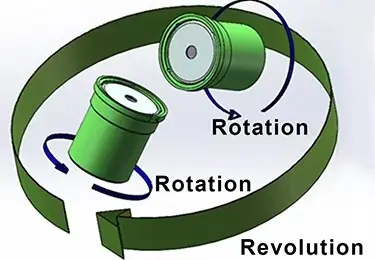
When processing advanced material formulations, the mixing equipment itself is only one part of the overall process. The geometry of the mixing container, material loading methods, degassing requirements, and downstream dispensing workflow all heavily influence final product quality.This becomes particularly critical when dealing with high solid loading and extreme density mismatches—such as heavy titanium powder (~4.5 g/cm³) combined with liquid resin (~1.1 g/cm³). Under high centrifugal forces, such formulations tend to compact or phase-separate rather than blend, requiring precise fluid dynamics where dual-axis revolution and rotation force a continuous 3D convective roll-over flow path.
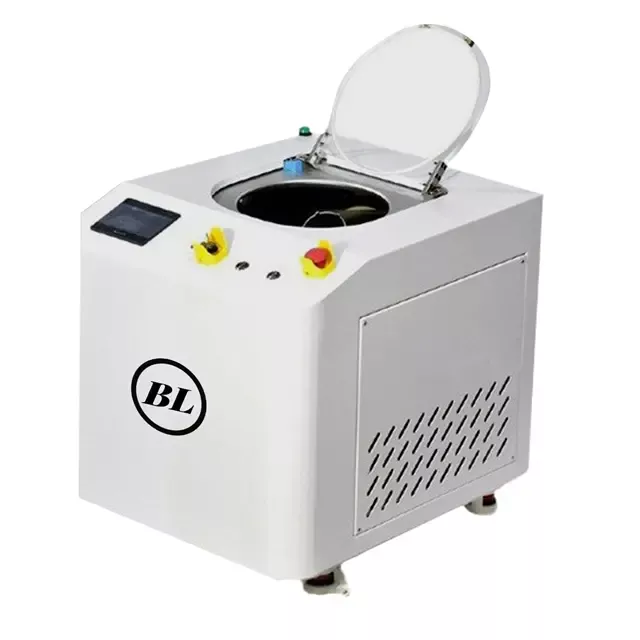
For one recent application, a customer selected a 1 L dual-motor planetary centrifugal mixer from Berlon to process a titanium powder and resin mixture at a demanding 4:1 weight ratio.
The Customer's Initial Cartridge Selection
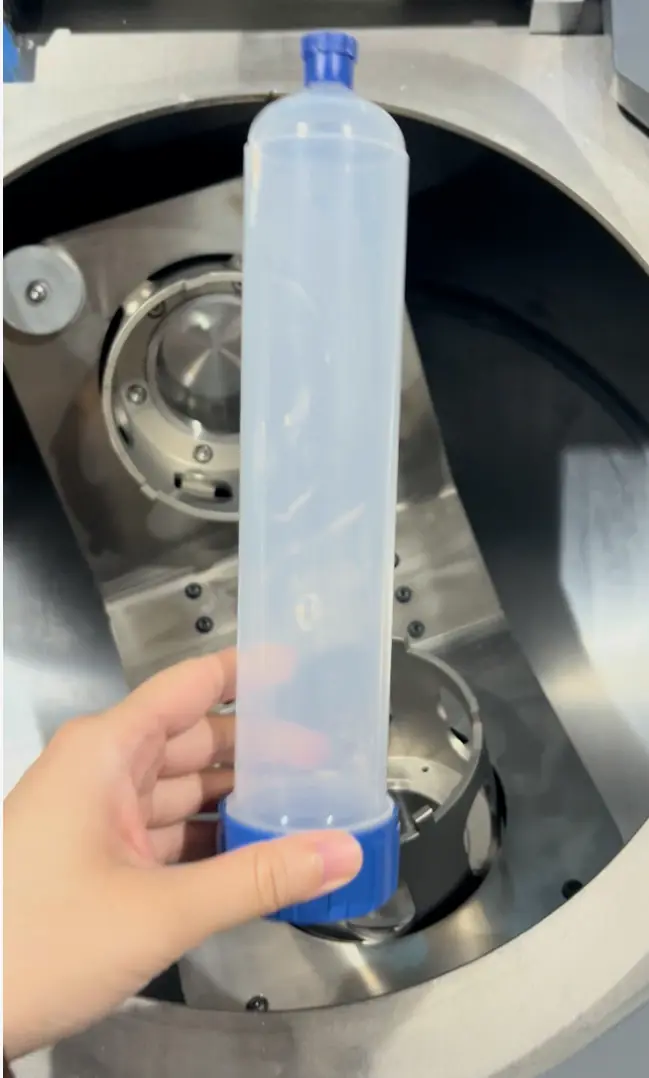
The customer initially planned to use a 45 × 179 mm cartridge for processing the titanium powder and resin formulation at the 4:1 mixing ratio to fit their existing downstream dispensing line.
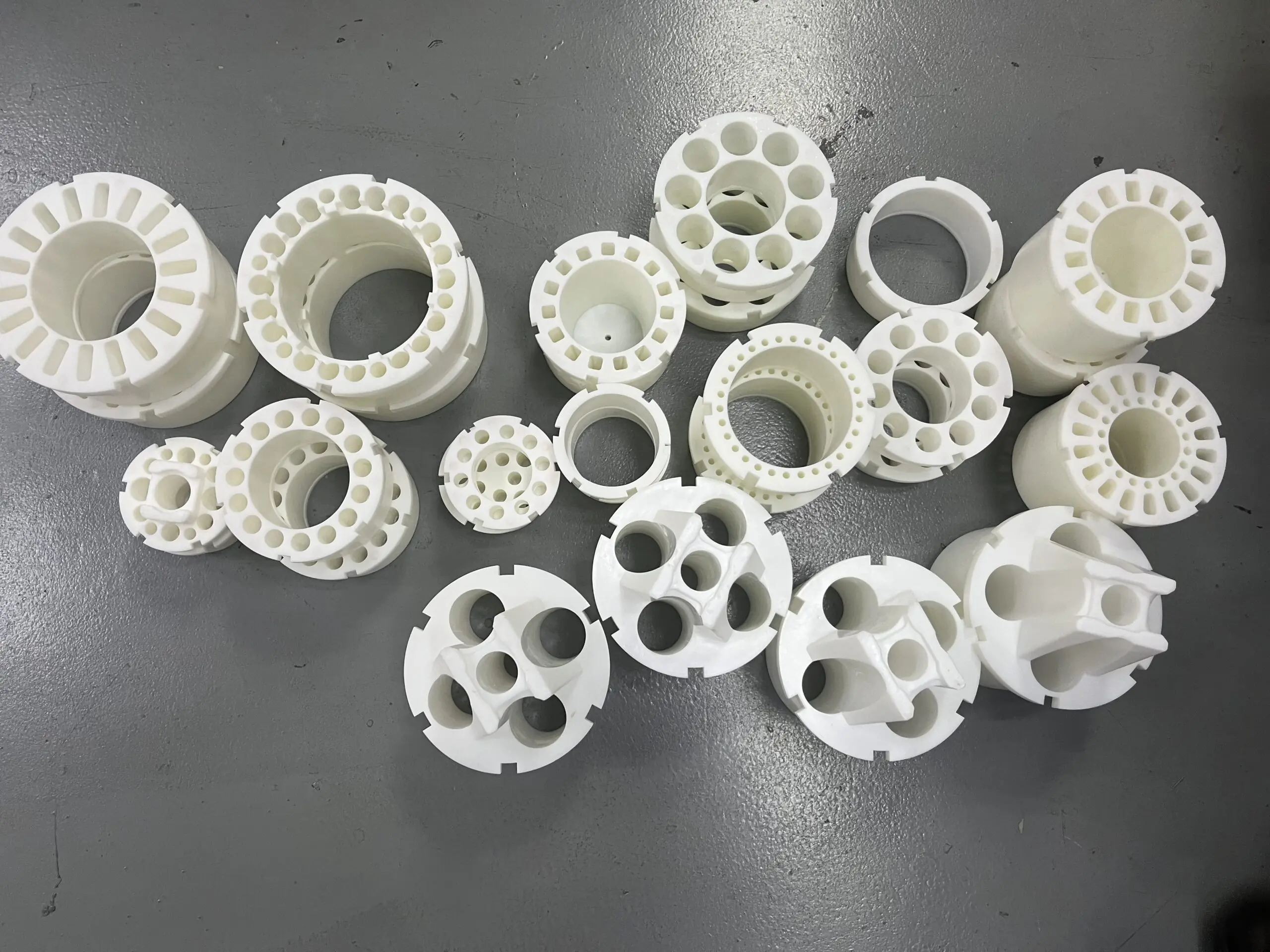
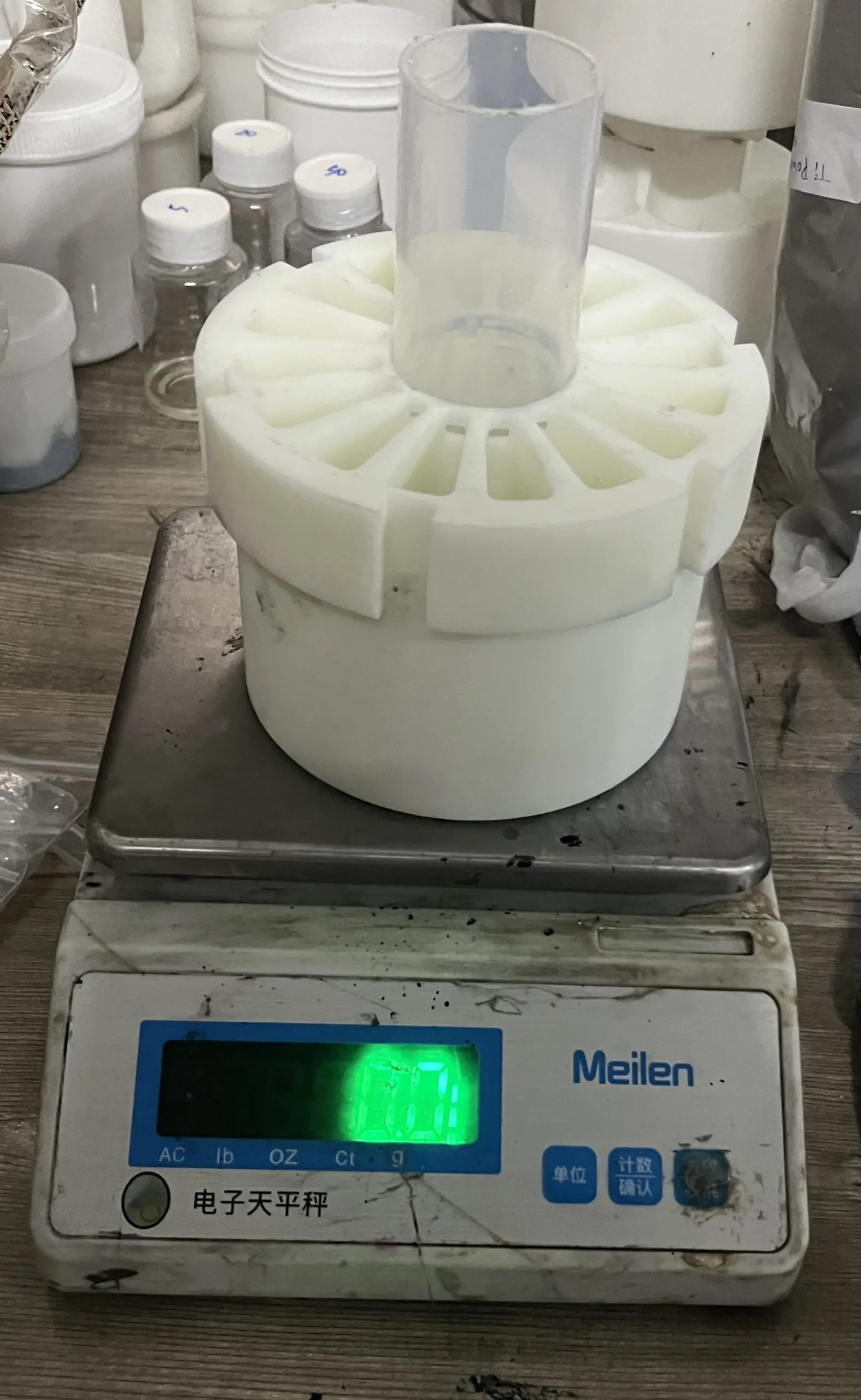
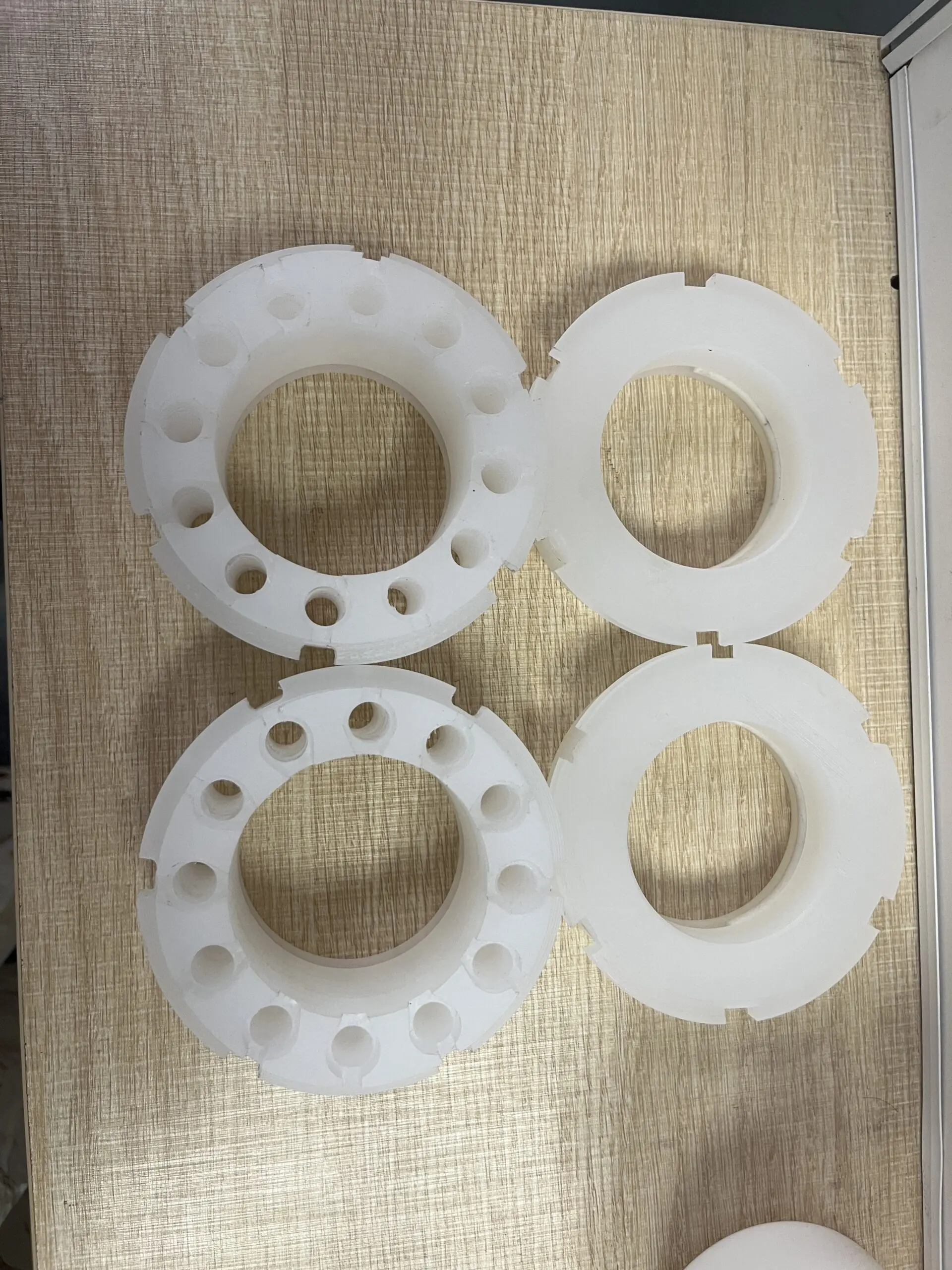
To accommodate this cartridge, Berlon developed a corresponding custom adapter for the customer's 1 L dual-motor planetary centrifugal mixer. Before finalizing the configuration and delivering the machine, Berlon conducted empirical material testing in the laboratory to evaluate the actual mixing performance.
Testing Revealed a Mixing Challenge
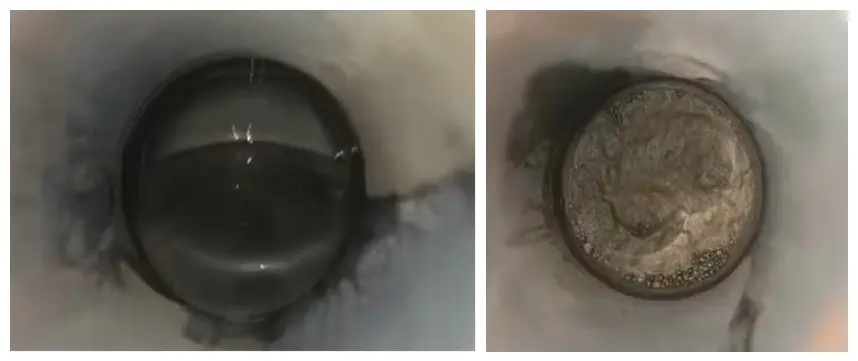
We custom-built an adapter for the 45 × 179 mm cartridge and ran initial trial runs. During testing, the cartridge did not produce the expected mixing performance. While the top surface appeared fluid and well-blended at first glance, detailed inspection revealed that the heavy titanium powder had settled and agglomerated into a tight, unmixed mass at the bottom of the container.
The test indicated that the cartridge geometry did not provide an ideal material movement pattern for this particular formulation. For planetary centrifugal mixing, container geometry directly influences how the material moves within the container. The available mixing range, material distribution, filling level, and flow path all dictate the resulting mixing performance.
Why Cartridge Size Matters in Planetary Centrifugal Mixing
In a planetary centrifugal mixer, the container is not simply a passive holder for the material. Its internal dimensions and aspect ratio (L/D) directly govern the fluid's shear conditions and flow behavior during rotation and revolution.
If the container geometry does not provide sufficient radial space for effective material movement, the upper liquid portion may circulate smoothly while the dense, high-solid powder gets trapped and agglomerates against the narrow sidewalls at the bottom. Therefore, selecting a suitable cartridge size is a core part of mixing process design, not simply a matter of container capacity on paper.
Berlon Recommended a Larger Cartridge
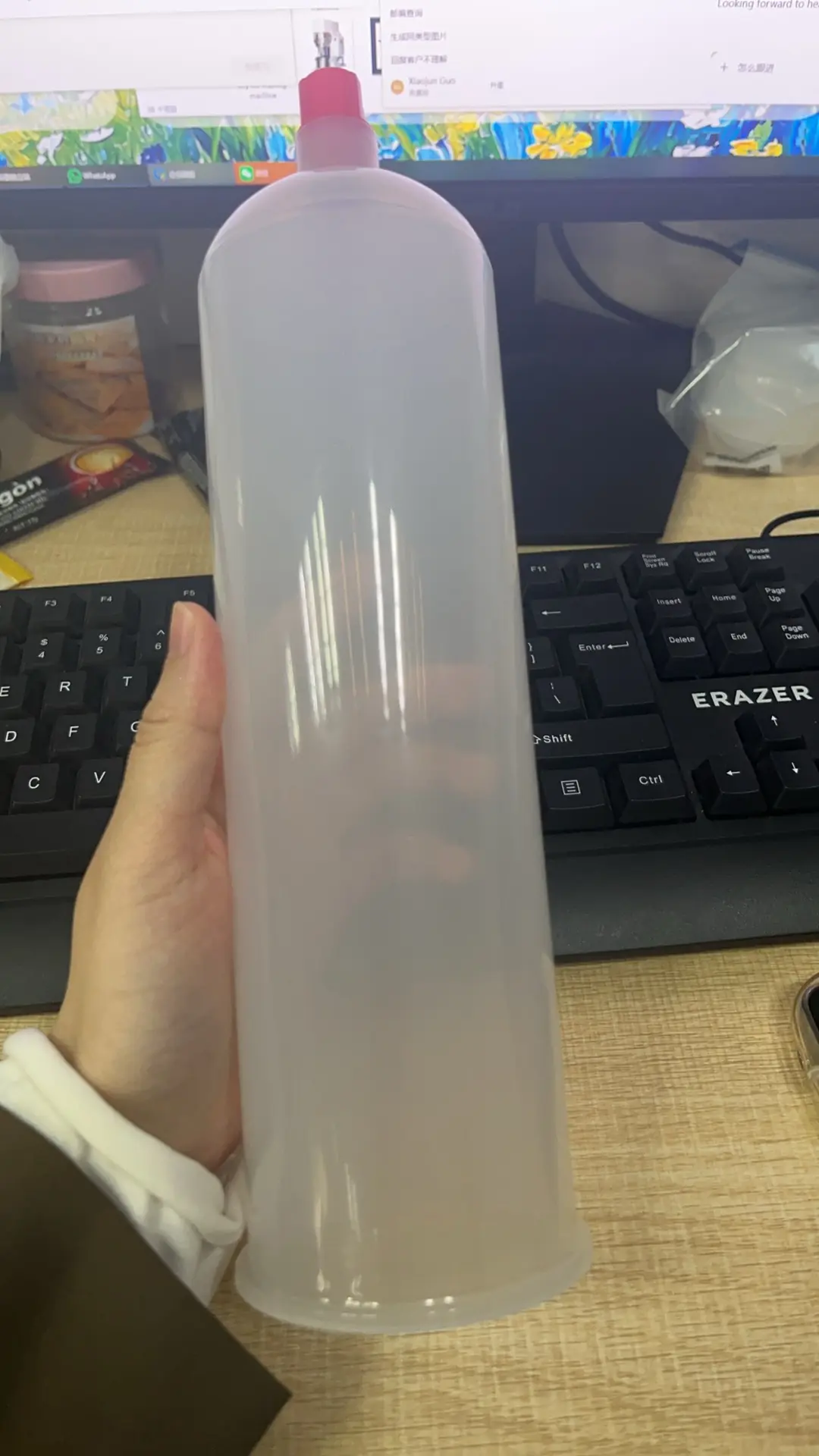
Based on the initial test results, Berlon recommended changing the cartridge from 45 × 179 mm to a wider 68.5 × 251.5 mm profile.
The larger cartridge provided a significantly wider internal mixing diameter and expanded radial flow range, allowing the planetary centrifugal motion to generate proper top-to-bottom turnover and act on the material far more effectively. This recommendation was driven entirely by actual mixing trial data rather than volumetric capacity alone.
Testing the Optimized Cartridge
Berlon engineered a corresponding updated adapter and conducted a second round of testing using the 68.5 × 251.5 mm cartridge.
The optimized cartridge configuration produced significantly improved mixing performance. Under identical mixer parameters, the titanium powder was pulled completely into the bulk flow, fully wetting and dispersing into the resin to achieve a completely uniform, streak-free mixture with zero agglomeration at the bottom and no entrapped micro-bubbles.