
Blog
How to Choose the Right Centrifugal Planetary Vacuum Mixer

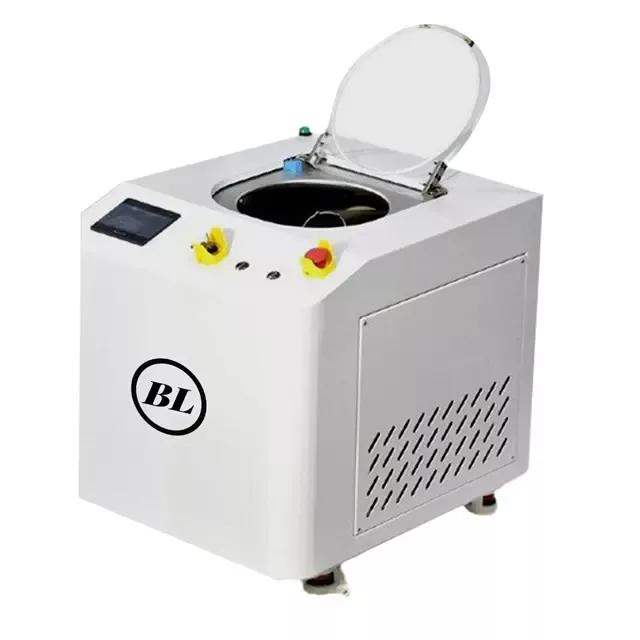
In the world of high-viscosity material processing, the Centrifugal Planetary Vacuum Mixer has become the gold standard. Whether you are working with electronic pastes, medical-grade silicone, or battery slurries, a planetary mixer offers a unique bladeless solution that combines powerful mixing with efficient vacuum degassing.
However, with various models ranging from lab-scale to mass production, selecting the best vacuum planetary mixer requires a deep dive into technical specifications. Here are the four key factors to consider.
Choose the Right Capacity for Your Production Needs
The first step is determining your required batch volume. Since centrifugal planetary mixers rely on precise counterbalancing and centrifugal force, machine size directly affects mixing performance.
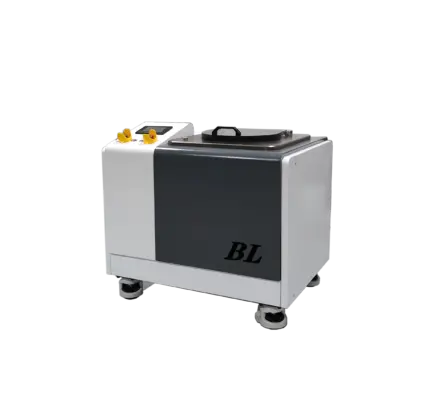
Laboratory & R&D Scale (350ml – 1L)
Compact laboratory mixers are ideal for:
- Material formulation testing
- Small-batch experiments
- High-value materials with minimal waste
These models are commonly used for epoxy resins, solder paste, conductive ink, and research applications where precision matters most.
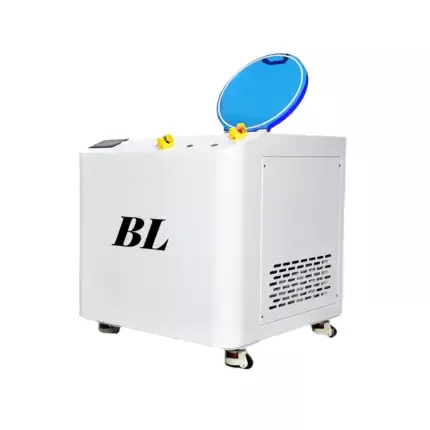
Pilot Scale (2L – 5L)
Pilot-scale planetary mixers are designed for:
- Process validation
- Small-scale manufacturing
- Transitioning from lab development to production
They offer a balance between flexibility and productivity.
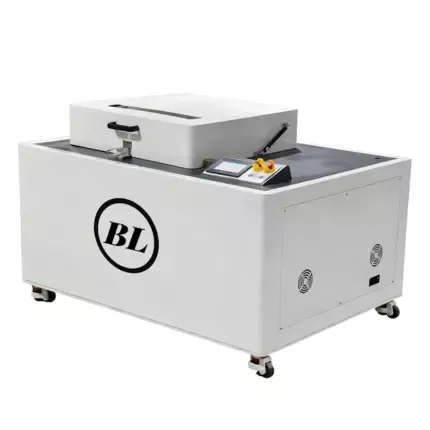
Industrial Production Scale (10L – 20L)
Large-capacity vacuum planetary mixers are built for:
- Continuous production environments
- High-throughput manufacturing
- Stable batch-to-batch consistency
These systems are commonly used in battery manufacturing, silicone processing, and advanced material production lines.
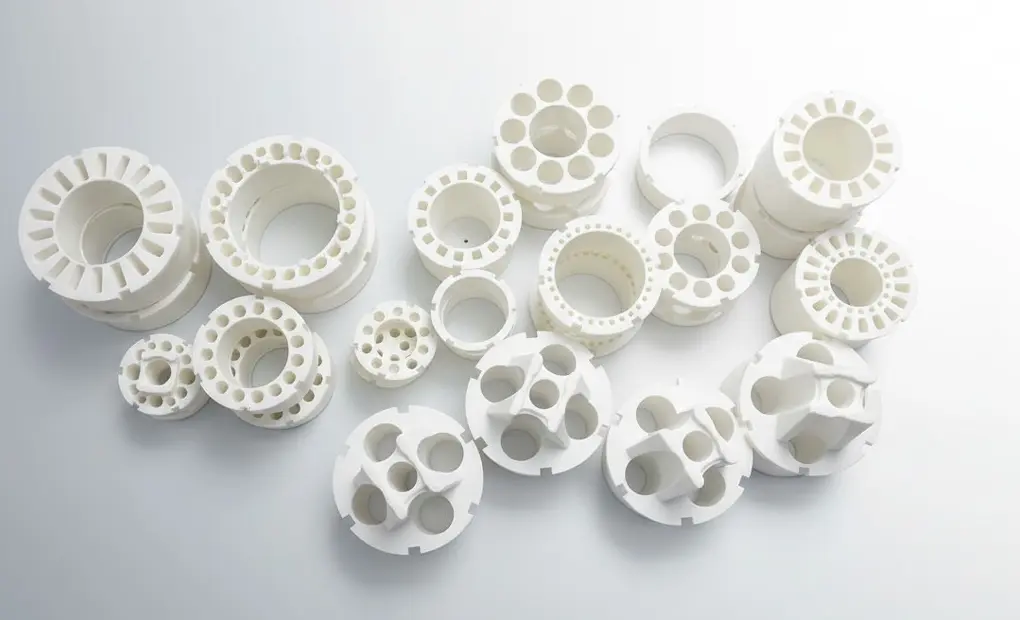
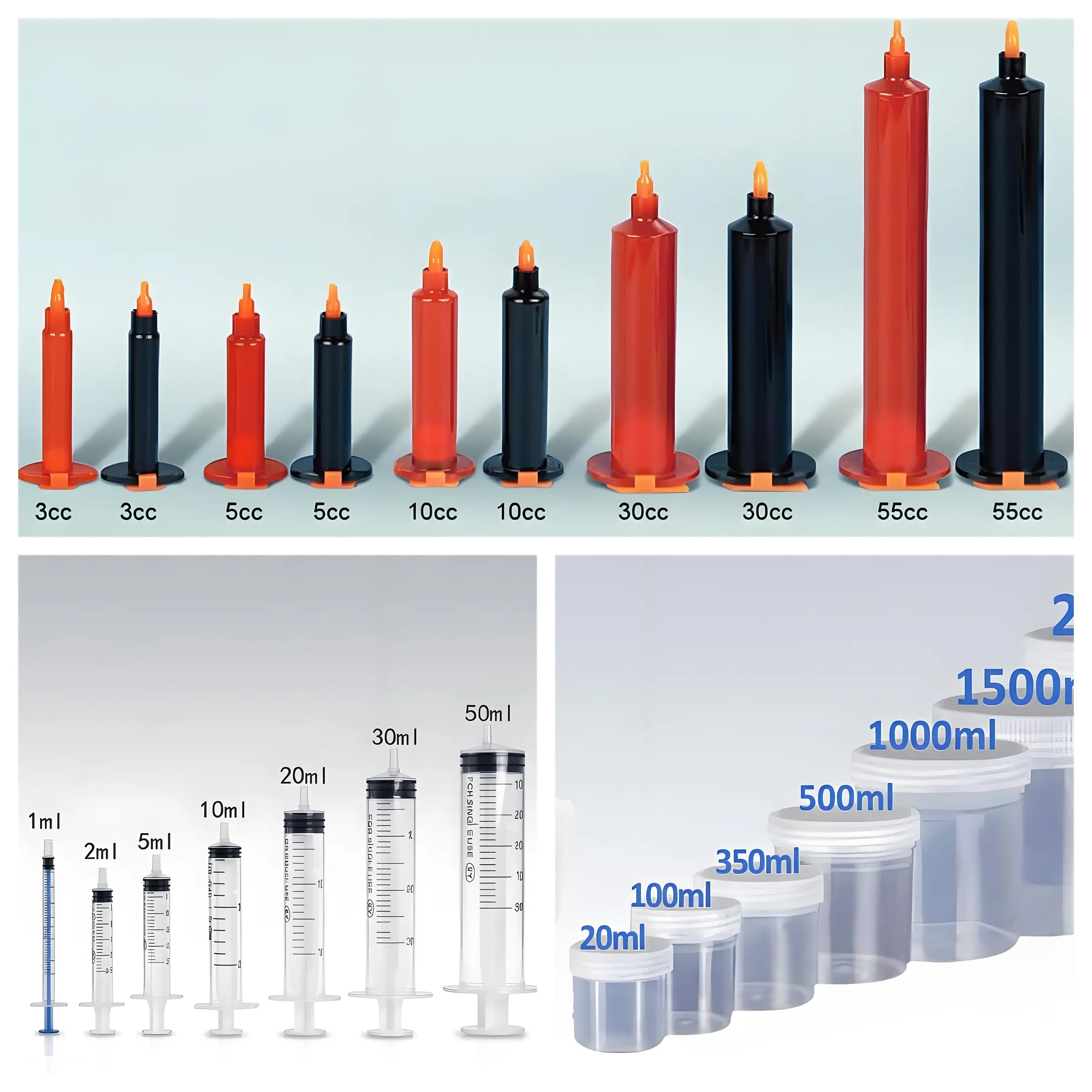
Custom Fixtures For Small-Volume Mixing
Our vacuum planetary mixer with interchangeable cup adapters provides greater flexibility, allowing smaller batches to be processed efficiently on larger machines.
Evaluate Mixing Speed and G-Force Performance
The core advantage of a centrifugal planetary mixer lies in its dual-axis movement: the container simultaneously rotates and revolves, generating strong centrifugal force for rapid homogenization.
Wide Speed Range
A broader RPM range (Revolution Speed:0-2500rpm; Rotation Speed: 0-1500rpm) allows the mixer to process materials with very different viscosities, from low-viscosity liquids to ultra-thick pastes exceeding 1,000,000 cps.
Adjustable Rotation Ratios
Advanced planetary mixers allow users to fine-tune the relationship between revolution and rotation speeds. This improves:
- Material folding efficiency
- Dispersion uniformity
- Temperature control during mixing
For heat-sensitive materials, optimized rotation ratios help prevent excessive frictional heating while maintaining excellent dispersion performance.
Focus on Vacuum Degassing Capability
One of the main reasons manufacturers choose a vacuum planetary mixer over a conventional mixer is its ability to remove trapped air bubbles during processing.
In industries such as electronics, medical materials, and batteries, even microscopic bubbles can negatively affect:
- Electrical conductivity
- Structural strength
- Coating quality
- Product reliability
Vacuum Performance
A high-quality industrial vacuum planetary mixer should typically achieve:
• Vacuum pressure up to -100kPa
Fast Deaeration Efficiency
An efficient vacuum system can rapidly remove entrapped air from high-viscosity materials, even in thick polymers and dense slurries. This results in:
- Bubble-free materials
- Improved density
- Better product consistency
- Reduced downstream defects
Consider Material Compatibility and Temperature Control
Although planetary mixers use a bladeless mixing method that reduces contamination risk, material compatibility remains extremely important.
Container Material Selection
Depending on your chemistry, mixing containers may be made from:
• HDPE
• Stainless Steel
• PEEK
The correct container material ensures resistance to solvents, resins, and corrosive chemicals.
Temperature Management
High-speed centrifugal mixing naturally generates heat. For temperature-sensitive materials, choose a planetary vacuum mixer with:
• Cooling systems
• Programmable pause cycles
• Temperature monitoring functions
Stable temperature control is especially important for adhesives, silicones, and battery materials.
Abrasive Material Processing
For ceramic powders, metal powders, or highly filled materials, the mixer’s drive system must withstand:
- High torque loads
- Long operating cycles
- Increased mechanical wear
A robust industrial design significantly improves equipment lifespan and operational stability.
Quick Comparison of Planetary Vacuum Mixer Types
|
Feature |
||
|---|---|---|
|
Primary Use |
Formula Development |
Mass Manufacturing |
|
Vacuum Capability |
Standard Degassing |
High-Power Vacuum System |
|
Main Advantage |
High Precision / Low Waste |
Batch Consistency / High Efficiency |
|
Typical Materials |
Epoxy, Solder Paste |
Battery Slurry, Silicone |
A high-quality Planetary Vacuum Mixer is far more than a simple mixing device. It is a precision processing system designed to achieve superior homogenization, dispersion, and vacuum degassing for advanced materials.
By carefully evaluating:
- Capacity
- Mixing speed and G-force
- Vacuum performance
- Material compatibility
- Temperature control
You can select a centrifugal planetary mixer that supports both current production needs and future scalability — from laboratory development all the way to industrial manufacturing.
If you are unsure about the type of machine needed for your mixing volume and materials, feel free to contact us. We have dedicated engineers for one-on-one service and offer free testing.


