
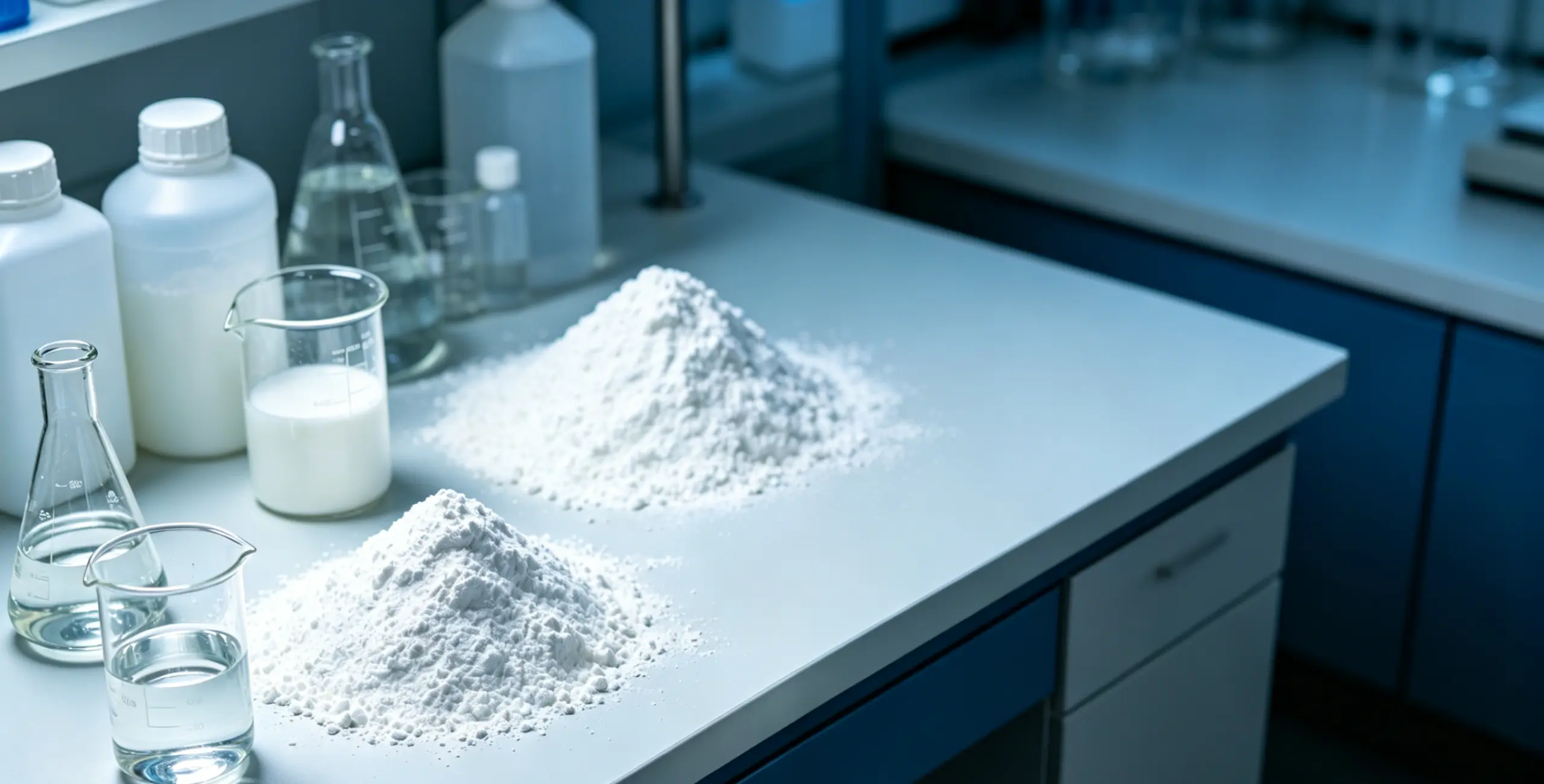
Pharmaceutical Mixing Solution | Precision & Contamination-Free Processing

Pharmaceutical compounding, biomedical R&D, and clinical laboratory preparation demand absolute material purity, precise dosage uniformity, and strict compliance with cGMP standards. Trapped micro-bubbles in topical ointments, ophthalmic gels, and transdermal pastes compromise volumetric filling accuracy, accelerate API oxidation, and alter drug release kinetics.

Formulations & Materials Handled

  • Topical & Transdermal Formulations: High-viscosity ointments, dermatological creams, transdermal hydrogels, and medicated salves.

  • Dental & Orthopedic Compounds: Acrylic bone cements, silicone impression pastes, composite resins, and dental waxes.

  • Active Pharmaceutical Ingredients (APIs): Micronized drug suspensions, lipid nanoparticles, liposomal formulations, and micro-encapsulated powders.

  • Biomedical Gels & Biomaterials: Collagen hydrogels, hyaluronic acid fillers, tissue engineering scaffolds, and alginate matrices.


Industry Applications

  • Compounding & Clinical Pharmacies: Precise customized dosage preparation and small-batch sterile ointment mixing.

  • Pharmaceutical R&D & Formulation Labs: Rapid benchtop trial runs, high-viscosity API blending, and scale-up testing.

  • Medical Device & Dental Manufacturing: Void-free bone cement preparation and bubble-free dental impression material mixing.

  • Biomedical & Regenerative Research: Gentle dispersion of sensitive proteins, enzymes, and hydrogel matrices.

Common Material Processing Challenges

  • Dosing Inaccuracy & Fill Variations: Micro-bubbles trapped in viscous gels cause volumetric deviations during automated syringe or tube filling, risking regulatory non-compliance.

  • Cross-Contamination & Cleaning Downtime: Traditional mechanical impellers require tedious disassembly and cleaning validation, increasing cross-contamination risks between different API batches.

  • Thermal Degradation of Sensitive APIs: Frictional heat generated by high-shear blades can denature proteins, degrade thermolabile APIs, or trigger premature polymer crosslinking.

  • Incomplete Powder Dispersion: Micronized active powders tend to agglomerate in viscous liquid bases, resulting in uneven drug distribution and inconsistent bioavailability.

How Planetary Vacuum Mixers Solve These Issues

Processing Challenge Planetary Vacuum Mixer Solution Technical Benefit
Dosing Inaccuracy High-Vacuum Deaeration (-0.098 MPa) Removes sub-micron air pockets completely, ensuring 100% volumetric filling consistency and exact API dosing.
Cross-Contamination In-Container Mixing (No Impellers) Mixes directly in disposable or autoclavable vials/cups, eliminating cleaning validation and batch contamination.
Thermal API Degradation Blade-Free Hydrodynamic Blending Eliminates high-friction blade shear, keeping batch temperatures low to protect thermolabile drug compounds.
API Agglomeration High-G Dual Centrifugal Rotation Disperses micronized powders uniformly into viscous carrier bases for consistent bioavailability.

Test Your Material Before You Buy


    Recommended Equipment

    Frequently Asked Questions (FAQ)

    Q1: How does planetary vacuum mixing support cGMP and cleanroom compliance in pharmaceutical labs?

    Because mixing occurs inside sealed, removable containers without internal blades or mixing shafts, there are no metal-on-metal wear particles or exposed drives. Users can utilize pre-sterilized, autoclavable, or single-use disposable cups, eliminating cleaning validation procedures and preventing cross-contamination in cleanroom environments.

    Q2: Can we mix and degas small-volume formulations directly inside pharmaceutical syringes or ointment tubes?

    Yes. We engineer custom stainless steel or aluminum adapters tailored to standard Luer-lock syringes ($1\text{ mL}$ to $60\text{ mL}$), compounding jars, and specialized lab vials. Processing directly in the final delivery container prevents secondary air re-entrapment and eliminates transfer losses of high-value APIs.

    Q3: How do you control heat buildup when mixing heat-sensitive active ingredients or proteins?

    Planetary mixing relies on smooth, non-contact hydrodynamic shear rather than localized high-friction blade cutting, significantly reducing heat generation. For extremely temperature-sensitive formulations, our machines offer programmable multi-stage speed profiles, pulse-mixing cycles, and optional cold-water jacketed adapters to maintain precise temperature thresholds.