
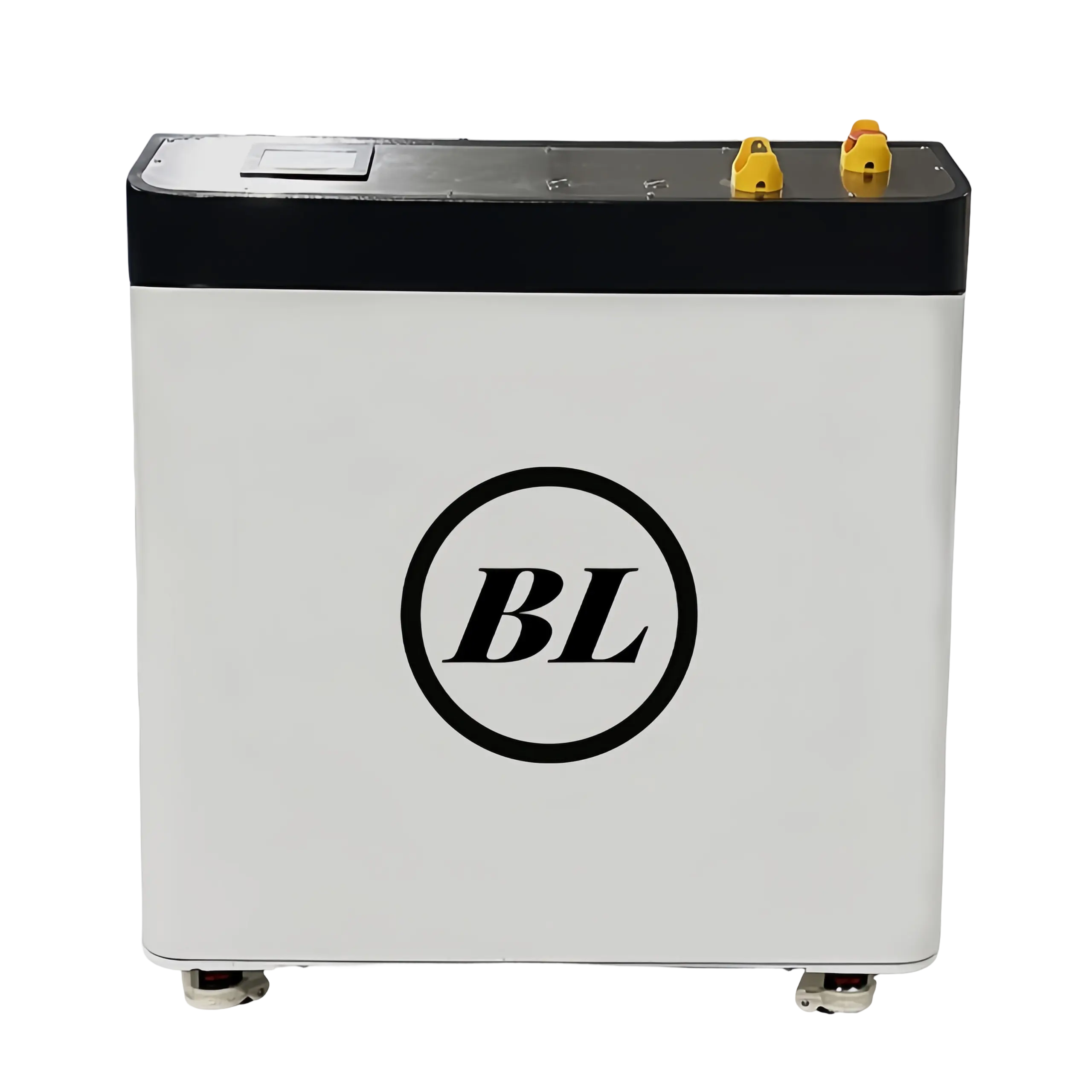
Planetary Vacuum Degassing Mixer
- Berlon Planetary vacuumdegassing mixer for high-viscosity paste, slurry, resin, and adhesives.
- Planetary mixing ensures uniform mixing and complete air removal.
- Vacuum Planetary Degassing Mixer – Bubble-Free Mixing for High-Viscosity Materials. Our vacuum planetary degassing mixer is specifically engineered for high-viscosity and air-sensitive materials that demand uniform dispersion and effective bubble removal.
- The planetary mixing mechanism, combined with a controlled vacuum environment, ensures thorough material folding, shearing, and deaeration in a single process.
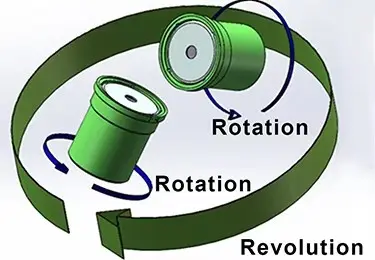
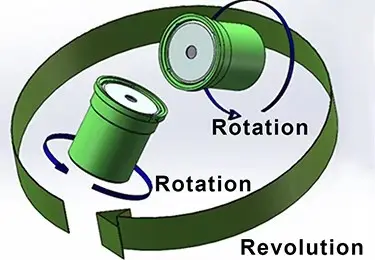
- Unlike conventional mixers, the planetary motion allows the container to simultaneously rotate on its own axis while revolving around a central axis, causing the material inside to flow, fold, and redistribute continuously.
- This eliminates dead zones, prevents material buildup, and ensures every part of the batch is mixed evenly.
Get Free Quote!
Key Features Of Planetary Vacuum Degassing Mixer
Planetary Mixing Technology
Dual planetary motion guarantees uniform mixing without material buildup.
Integrated Vacuum Deaeration System
Effectively removes entrapped air and micro-bubbles during mixing.
Non-Contact Mixing
No blades, no contamination, no material damage — the entire container moves in planetary motion to deliver clean, gentle, and highly uniform mixing every time.
Optimized for High-Viscosity Materials
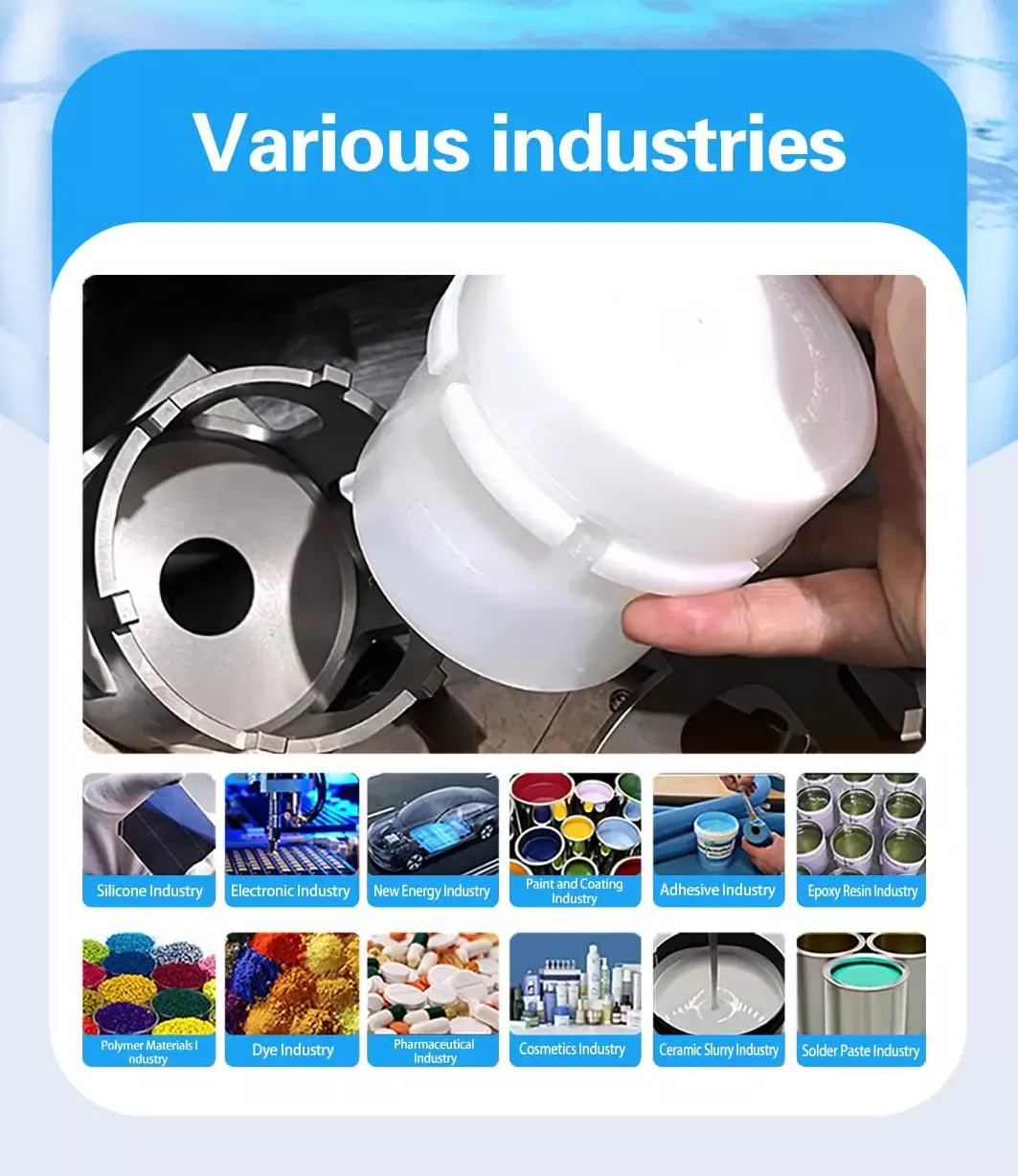
Ideal for paste, slurry, resin, silicone, and gel-based compounds.
Precise Process Control
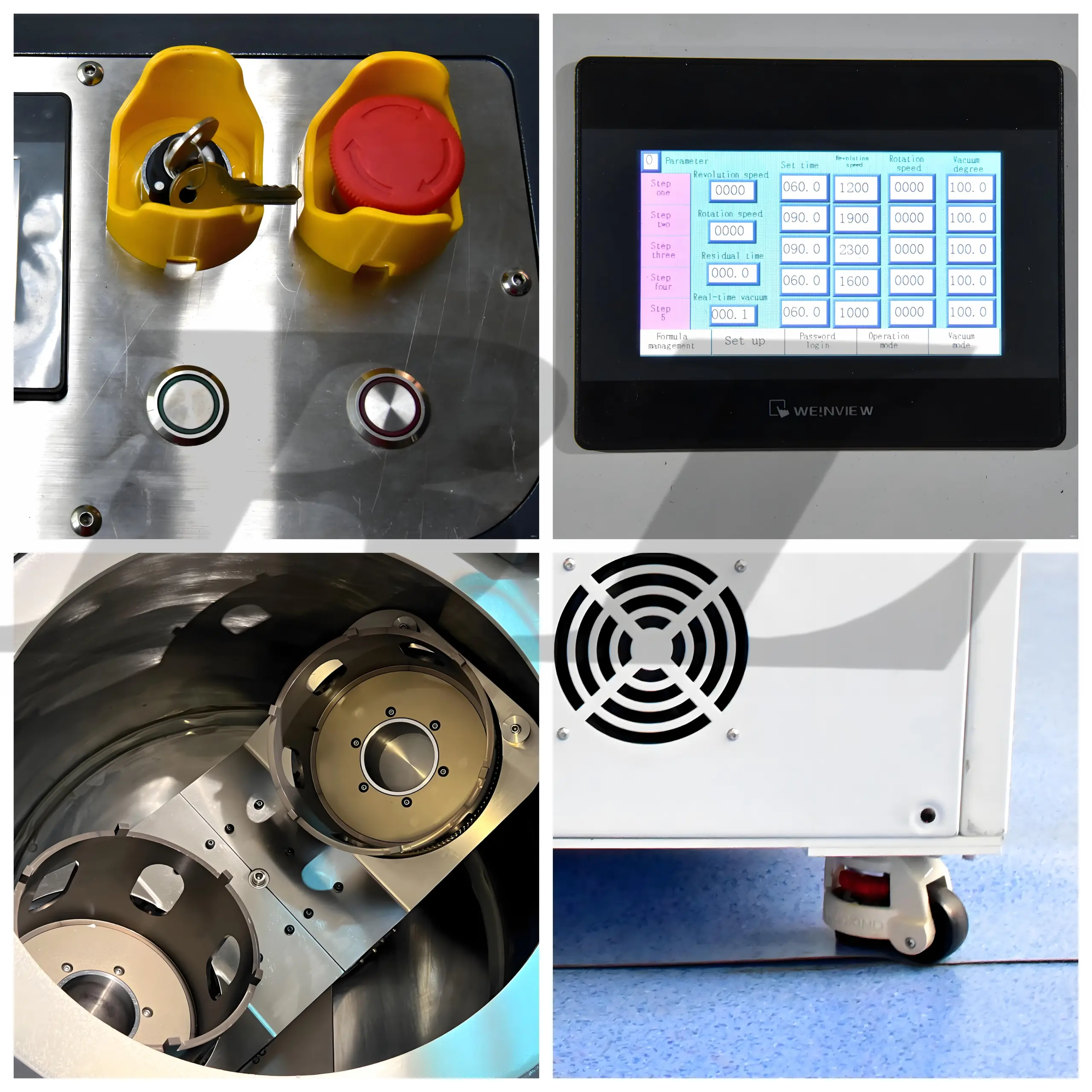
Adjustable mixing speed, time, and vacuum level for repeatable results.
Industrial-Grade Construction
Built for long-term stability in both R&D and continuous production environments.
Customizable Solutions
Mixing volume, vacuum system, and automation level can be tailored to your application.
Capacity & Model Selection
Choosing the optimal mixing volume is critical for maintaining material consistency and scaling up your production. From precision R&D to high-throughput industrial manufacturing, we offer 8 standard models to match your specific requirements:
Laboratory & R&D (350ml - 1L)
Ideal for testing expensive materials or developing new formulations. These benchtop models focus on precision and sub-micron degassing for small batches with zero material waste.
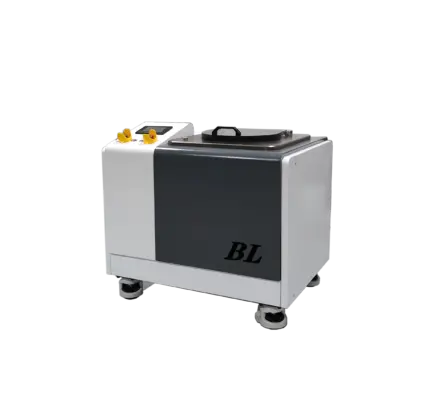
350ml Lab Planetary Vacuum Mixer
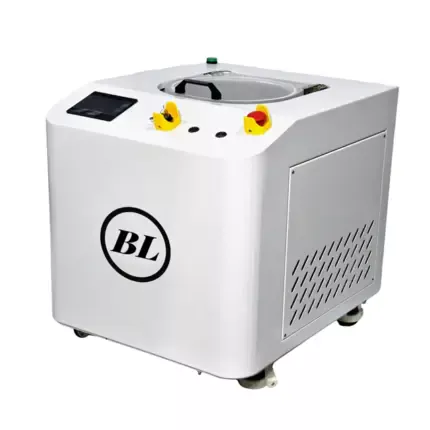
500ml Lab Planetary Vacuum Mixer
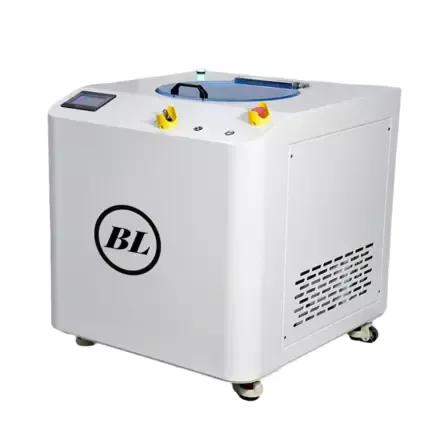
1L Lab Planetary Vacuum Mixer
Pilot Scale & Process Development (2L - 5L)
The perfect bridge between lab research and mass production. These models ensure your mixing results remain stable and repeatable as you scale up your throughput.
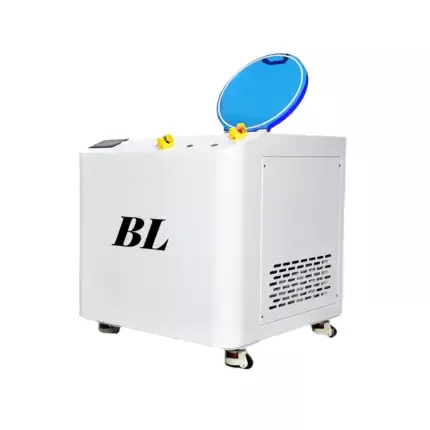
2L Planetary Vacuum Mixer
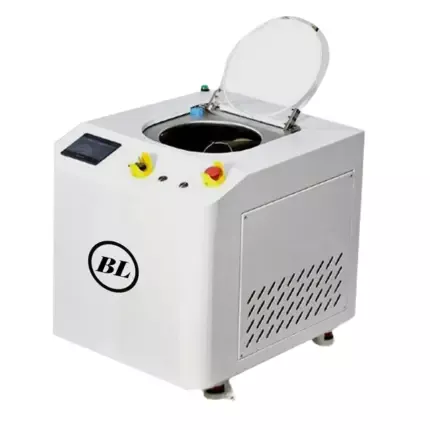
4L Planetary Vacuum Mixer
View detail
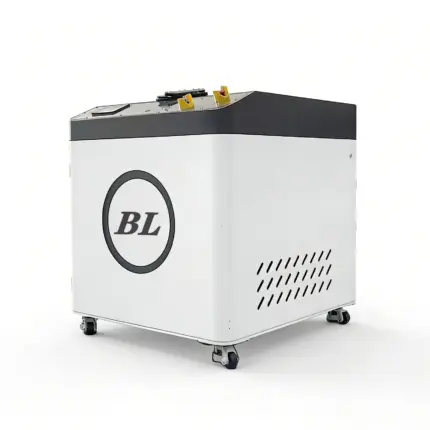
5L Planetary Vacuum Mixer
Industrial Mass Production (10L - 20L)
Engineered for continuous operation. These high-capacity systems deliver flawless, bubble-free results for large-scale manufacturing in electronics, energy, and chemical industries.
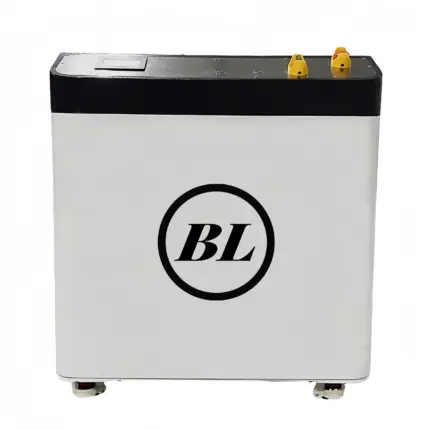
10L Planetary Vacuum Mixer
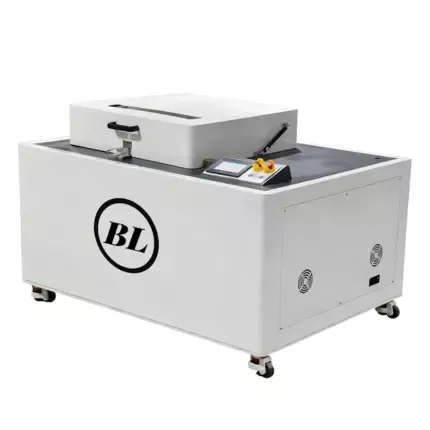
20L Planetary Vacuum Mixer
Typical Applications
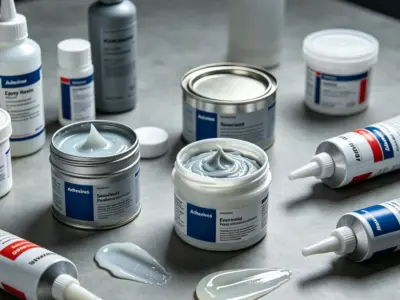
Adhesives

Resin
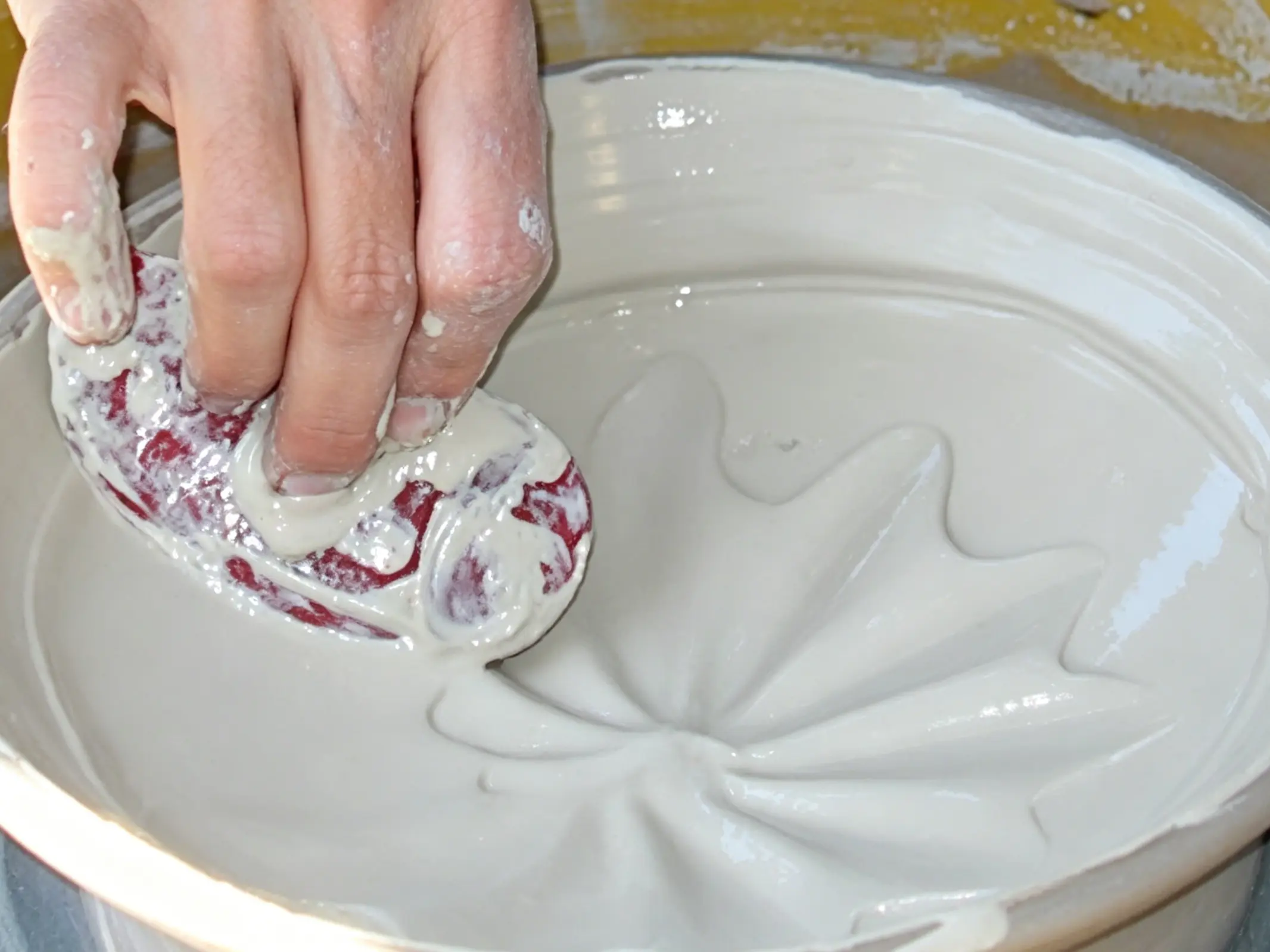
Ceramic Slurry

Dye & Pigment

Paints

Inks
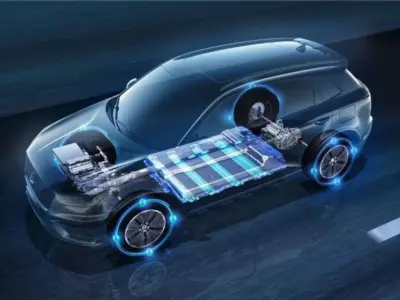
New Energy
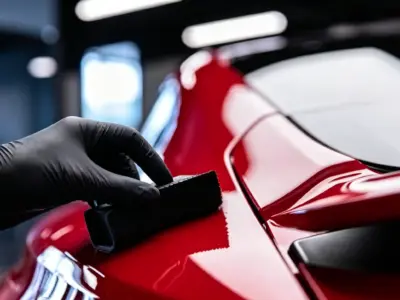
Coating

Medicine
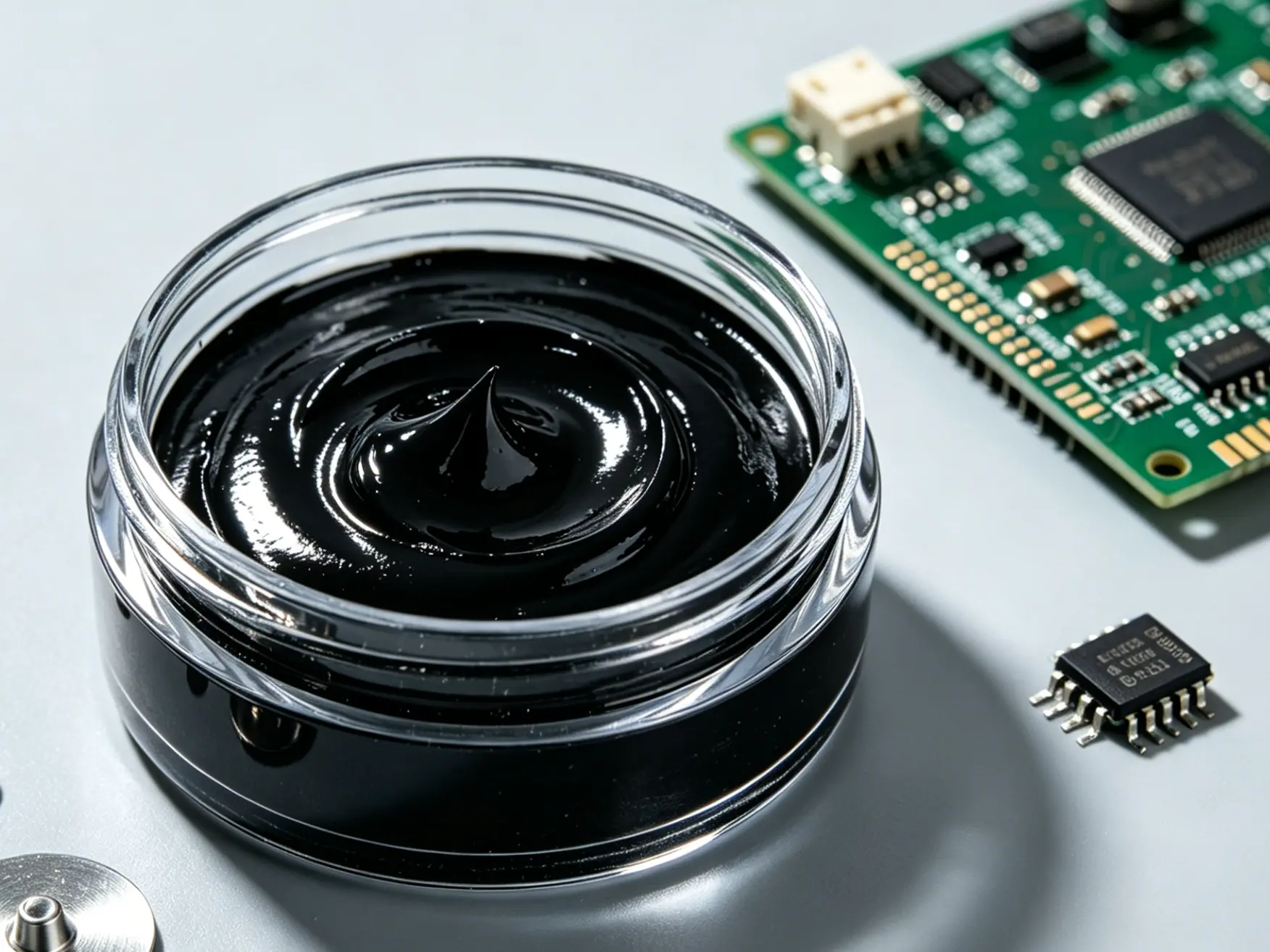
Conductive Paste

Food Additive

Cosmetic
Why Choose Bailun Vacuum Planetary Mixer
✔ Fast mixing and degassing in one machine
✔ Powerful vacuum bubble removal system
✔ Suitable for high-viscosity materials
✔ Simple operation and minimal cleaning
✔ Reliable industrial structure
How Vacuum Planetary Degassing Mixer Works
Berlon planetary vacuum degassing mixer operates on a highly efficient, blade-free mixing principle. It relies on the simultaneous application of intense centrifugal forces and a high-vacuum environment to achieve rapid, uniform dispersion and complete sub-micron deaeration (bubble removal).
High-Efficiency Planetary Mixing
The core mixing action relies on a mechanism analogous to the solar system, where a planetary container both orbits a center point and spins on its own axis.
Revolution (Orbit): The mixing cup revolves around a central, primary axis at high speeds. This generates strong outward centrifugal force, pushing the material toward the walls of the container and pressing it down.
Rotation (Spin): Simultaneously, the cup rotates on its own independent axis, often in the opposite direction of the revolution.
Integrated Vacuum Degassing System
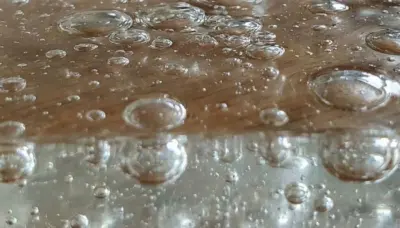
The BL-THA700 is equipped with a powerful vacuum pump system that removes air bubbles during the mixing process.
This makes the mixer ideal for epoxy resin, electronic adhesives, conductive pastes, and precision materials.
Frequently Asked Questions (FAQ)
A planetary vacuum degassing mixer is a mixing machine that combines planetary motion with a vacuum environment to achieve uniform mixing while removing entrapped air and gas bubbles. It is especially suitable for high-viscosity and air-sensitive materials.
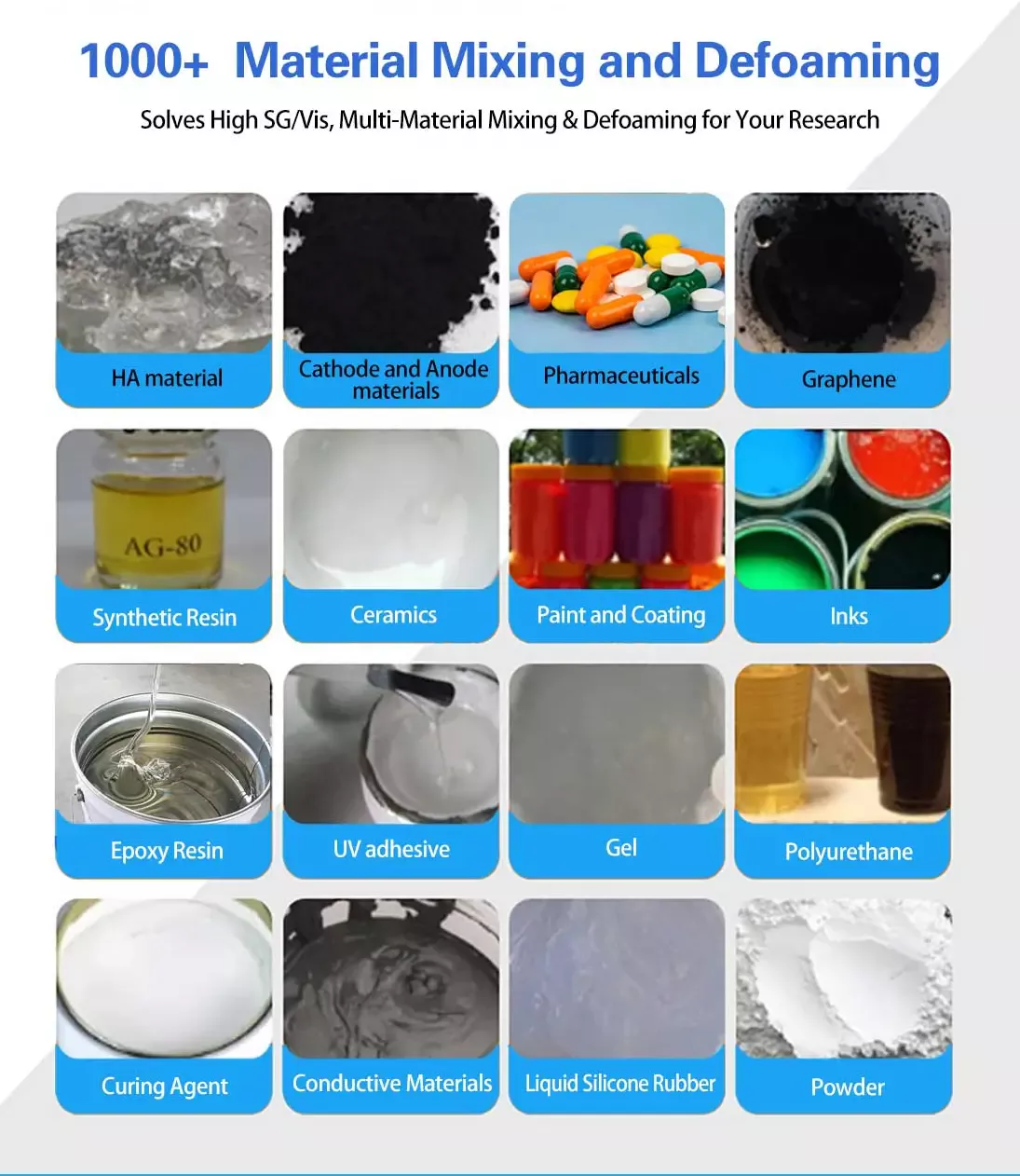
This mixer is ideal for processing high-viscosity materials, including adhesives, sealants, epoxy resins, electronic pastes, lithium battery slurry, silicone compounds, cosmetics creams, gels, and polymer formulations.
A conventional mixer often leaves dead zones and entrapped air in high-viscosity materials.
A planetary vacuum degassing mixer uses planetary motion to eliminate unmixed areas and vacuum degassing to remove air bubbles during mixing, resulting in more uniform and higher-quality materials.
Vacuum degassing prevents defects caused by trapped air, such as voids, poor mechanical strength, inconsistent appearance, and reduced performance. It improves material density, stability, and final product quality.
Yes. Vacuum planetary degassing mixers are specifically designed for high-viscosity, paste, and gel materials that are difficult to process with standard mixing equipment.
Yes. The system can be configured for laboratory R&D, pilot-scale testing, and full industrial production, allowing easy scale-up with consistent mixing results.
Mixing speed, mixing time, and vacuum level are all adjustable. The mixer can also be customized with different vessel sizes, control systems, and automation options to meet specific process requirements.
We have 300ml; 500ml; 1L; 2L; 4L; 5L; 10L; 20L. Working volume and batch size are fully customizable, ranging from small laboratory capacities to large industrial production volumes, depending on your application.
The container simultaneously rotates on its own axis while revolving around a central axis, causing the material inside to flow, fold, and redistribute continuously. This eliminates dead zones, prevents material buildup, and ensures every part of the batch is mixed evenly.
Yes. The mixer is designed for easy cleaning and routine maintenance, with non-contact mixing containers. No blades, no contamination.
Typical industries include electronics, adhesives, sealants, lithium battery manufacturing, silicone processing, cosmetics, chemical materials, and laboratory R&D.
Yes. The vacuum planetary degassing mixer can be integrated with automated feeding, discharge systems, PLC control, and production lines upon request.
Key factors include material viscosity, batch size, required vacuum level, and production volume. Our engineering team can provide technical consultation and customized recommendations based on your process.
We offer technical support, installation guidance, operation training, and after-sales service to ensure stable long-term operation of the equipment.
You can contact us through the inquiry form on this page. Please provide details about your material, viscosity, batch size, and application to receive a tailored solution.
Send Your Material
Get Free Mixing Test Report


