3D Printing Materials
3D Printing Resin & Paste Mixing Solution | Eliminate Air Defects
Advanced additive manufacturing demands defect-free slurry and resin preparation. Trapped air bubbles, filler agglomeration, and inconsistent rheology directly cause print failure, structural voids, and reduced mechanical strength in 3D printed parts.
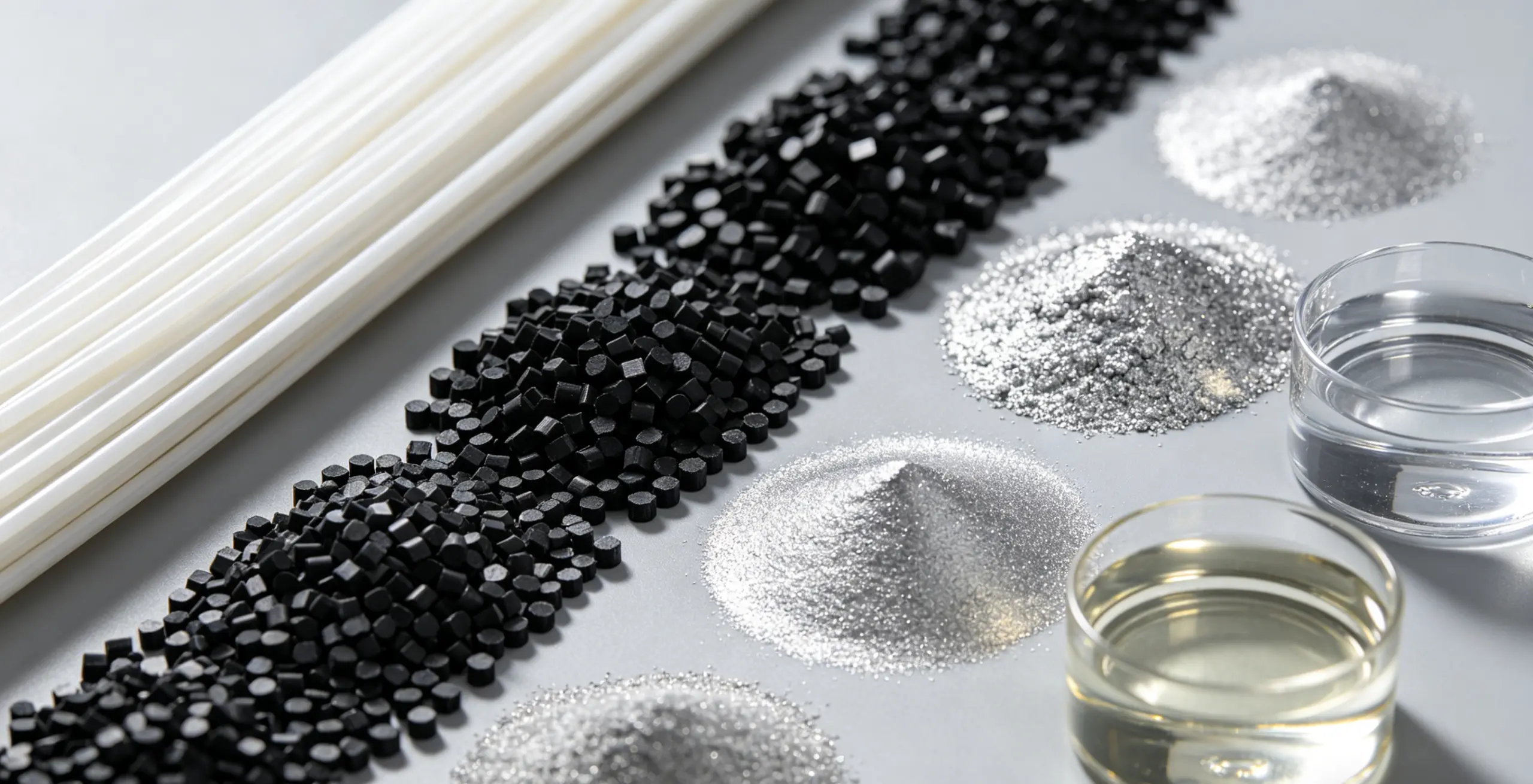
Printable Materials & Slurries Handled
Photopolymer Resins: Standard SLA/DLP resins, high-toughness, heat-resistant engineering resins, flexible photopolymers, and biocompatible medical resins.
Metal & Ceramic Pastes: High-load titanium (up to 78%+), zirconia, alumina pastes, and Direct Ink Writing (DIW) formulations.
Conductive & Functional Inks: Nano-silver pastes, carbon nanotube (CNT)/graphene inks, and flexible sensor formulations.
High-Viscosity Composites: Fiber-reinforced (carbon/glass) resins, industrial-grade silicones, and polyurethane printing gels.
Industry Applications
Aerospace & Defense: Light-weighting structural components, complex flow-channel inserts, and heat-resistant functional prototypes.
Electronics & Semiconductor Packaging: 3D-printed circuitry, micro-dispensing encapsulants, and thermal management components.
Medical & Dental: Dental aligner molds, surgical guides, customized implants, and bio-compatible scaffolds.
Tooling & Precision Manufacturing: Rapid tooling inserts, custom jigs, fixtures, and ultra-high precision prototype models.
Common Material Processing Challenges
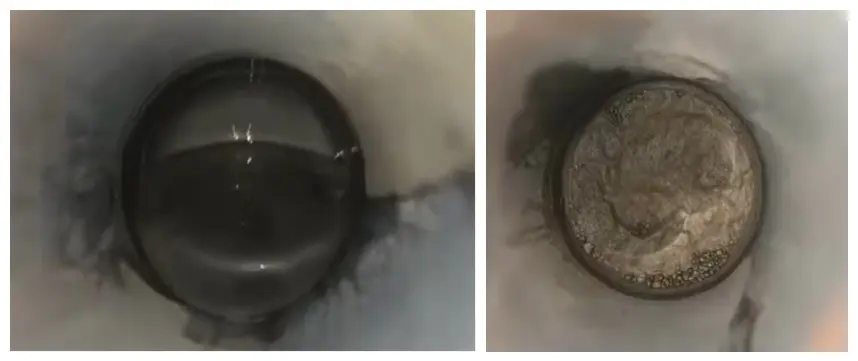
Micro-Bubble Entrapment: Sub-micron air voids trapped during mixing cause internal defects, lower tensile strength, and lead to line breakage in extrusion-based printing.
Particle Agglomeration & Settling: Dense metallic or ceramic powders form clusters in liquid resins, causing phase separation, clogged nozzles, and inconsistent part density.
Frictional Heat & Premature Polymerization: High-shear mechanical blade stirring generates excessive heat, triggering premature curing or gelation in heat-sensitive resins.
Unstable Rheology: Inadequate deaeration and non-uniform dispersion lead to erratic thixotropic behavior, resulting in slumping, stringing, or layer delamination.
How Planetary Vacuum Mixers Solve These Issues
| Processing Challenge | Planetary Vacuum Mixer Solution | Technical Benefit |
|---|---|---|
| Trapped Air / Micro-Voids | Dual Vacuum Deaeration (-0.098 MPa) | Removes sub-micron air bubbles entirely without volatile loss, achieving near 100% density. |
| Agglomeration & Settling | Non-Contact Dual Rotation (Revolution + Rotation) | High-G centrifugal forces thoroughly disperse fine powders into resins without blades, preventing dead zones. |
| Overheating & Curing | Low-Shear Hydrodynamic Force | Uniform dispersion without mechanical blades minimizes friction heat, keeping temperature-sensitive resins intact |
| High Viscosity Processing | Extreme Viscosity Handling Capabilities | Easily processes pastes exceeding hundreds of thousands cPs (e.g., 78%+ high-loading titanium pastes). |