
Blog
5 Planetary Centrifugal Mixer Manufacturers to Consider in 2026: A Buyer’s Guide

Choosing a planetary centrifugal mixer is not simply a matter of comparing motor speed or container capacity.
For materials such as adhesives, epoxy resins, electronic pastes, ceramics, composites, battery materials, and other high-value formulations, the mixing system can directly affect dispersion, homogenization, degassing, and downstream processing.
Different planetary centrifugal mixer manufacturers also focus on different areas. Some are strongly established in laboratory and R&D applications, while others offer larger production systems, customized containers, vacuum processing, or application-specific solutions.
This guide introduces five planetary centrifugal mixer manufacturers to consider in 2026 and explains the key factors buyers should evaluate before selecting a system.
Note: This is not a ranking of the manufacturers. Each company has different product configurations, target applications, and engineering capabilities. The right mixer depends on your material, batch size, process requirements, and application.
What Is a Planetary Centrifugal Mixer?
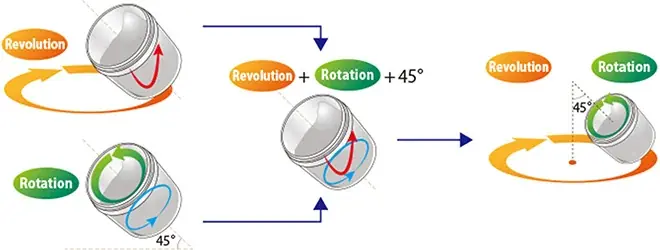
A planetary centrifugal mixer uses simultaneous rotation and revolution to generate complex material movement inside a mixing container.
As the container revolves around a central axis, centrifugal force drives the material outward. At the same time, the container rotates around its own axis, continuously changing the direction and velocity of material flow.
The resulting combination of centrifugal force, convection, and shear can help process materials without conventional agitator blades.
Depending on the system configuration, planetary centrifugal mixers can be used for:
- Mixing and homogenization
- Powder wetting and dispersion
- High-viscosity material processing
- Deagglomeration
- Vacuum degassing
- Emulsification
- Preparation of adhesives, resins, pastes, slurries, and composites
Vacuum-enabled systems can combine mixing and degassing in the same process, which is particularly useful when entrapped air or micro-bubbles are a concern.
5 Planetary Centrifugal Mixer Manufacturers to Consider in 2026
Quick Comparison Table
The table below provides a high-level comparison. Product capabilities vary by model, configuration, and application, so specifications should be confirmed with each manufacturer before purchase.
| Manufacturer | Typical Positioning | Product Scale | Container / Customization |
|---|---|---|---|
| THINKY | Established planetary centrifugal mixing | R&D to production | Cups, adapters and accessories |
| FlackTek | High-speed processing | Flexible container & lab-to-production | High container flexibility |
| Hauschild SpeedMixer | Specialty production & DAC | Disposable cup applications & R&D | Disposable and customer-specific containers |
| Torrey Hills | General lab & industrial | Broad equipment comparison | Standard configurations |
| Berlon | Process & Custom Engineering | High viscosity, custom cartridges & C1D1/Temp control | High (Custom Syringe/Cartridge adapters) |
1. THINKY
Known for: Established planetary centrifugal mixing technology, laboratory-to-production systems, and a broad range of containers and accessories.
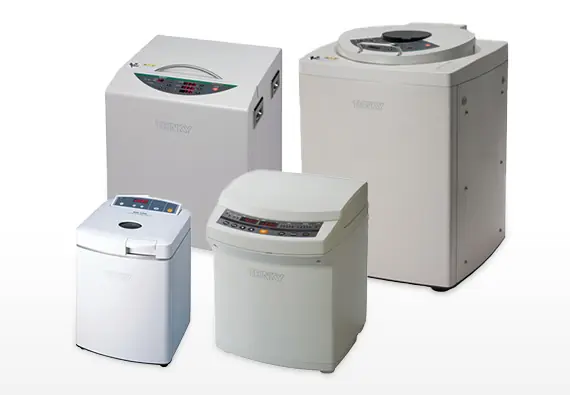
THINKY is one of the most established names associated with planetary centrifugal mixing technology. The company states that it developed planetary centrifugal mixers in the late 1980s and today offers systems for research, development, and production applications.
Its current product portfolio includes both atmospheric and vacuum-enabled mixers, with models covering different capacities and processing requirements. THINKY also offers accessories such as containers, adapters, and syringe chargers.
The product range includes laboratory and benchtop systems as well as larger production-oriented vacuum mixers. For example, the ARV-10kTWIN is designed for larger-scale processing and supports mixing and degassing of up to 20 L of material, with adjustable vacuum and rotation/revolution ratios.
Typical applications
What to consider
THINKY is particularly relevant for buyers looking for an established planetary centrifugal mixing platform with a wide range of standard equipment and accessories.
For buyers with unusual container geometries or specialized process requirements, it is still important to evaluate the available adapters, container options, batch size, and customization requirements for the specific application.
2. FlackTek
Known for: High-speed bladeless material processing, flexible container configurations, and laboratory-to-production applications.
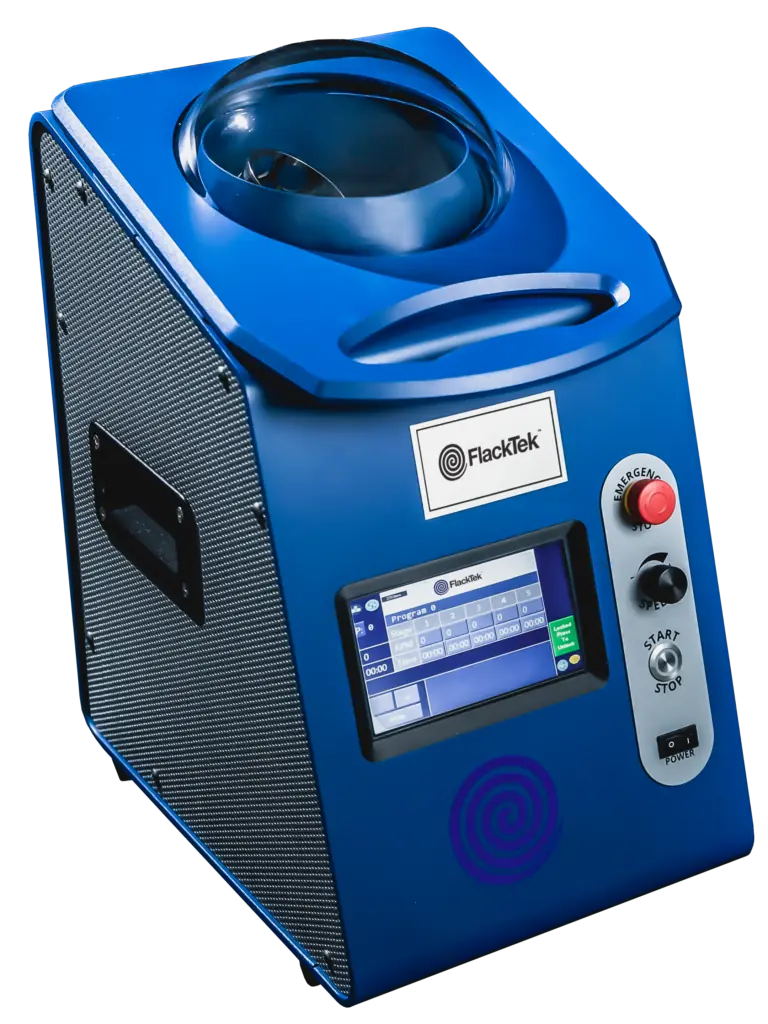
FlackTek describes its equipment as high-speed bladeless mixers, commonly referred to as planetary or dual asymmetric centrifugal mixers. Its systems are designed to process materials ranging from low to very high viscosity, as well as powders and wet formulations.
The company offers equipment across different scales. Its published specifications include smaller systems for batches up to approximately 200 g, medium systems up to approximately 1 kg per batch, and larger configurations for production applications. Actual specifications depend on the selected configuration.
FlackTek also emphasizes material testing and application support. Its published workflow includes discussing the material challenge, running a demonstration, selecting the appropriate machine and accessories, and configuring the equipment for the customer's process.
Typical applications
What to consider
FlackTek may be relevant when container flexibility, high-speed processing, material testing, and customized process support are important considerations.
Buyers should compare the required batch weight, container volume, mixing speed, vacuum requirements, and available accessories against their specific formulation.
3. Hauschild SpeedMixer
Dual Asymmetric Centrifugal (DAC) mixing technology, laboratory systems, and scalable production equipment.
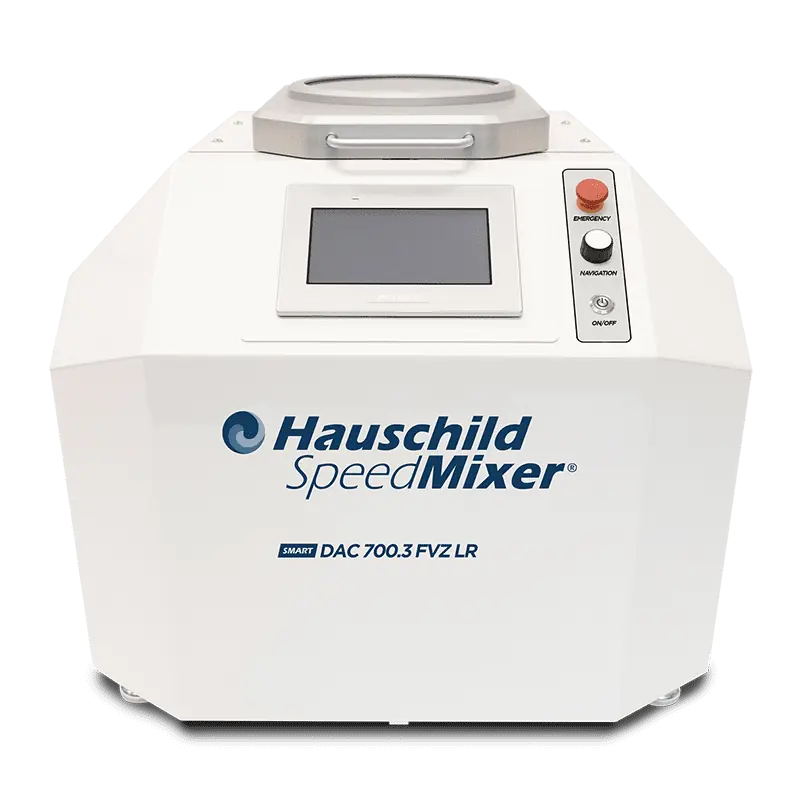
Hauschild SpeedMixer is an established manufacturer of bladeless centrifugal mixing equipment. Its SpeedMixer systems use Dual Asymmetric Centrifugal (DAC) technology, in which the mixing container simultaneously rotates and revolves to create intensive material flow without conventional agitator blades.
The product range covers laboratory, R&D, pilot, and production applications. Its benchtop DAC S-Series includes models for approximately 150–250 g batches, while larger SMART DAC systems are designed for higher-volume processing. Hauschild's current L-Series includes systems capable of handling several kilograms of material, with configurations for vacuum processing, temperature control, and production applications.
Hauschild also offers a range of container options, including disposable mixing cups as well as glass, stainless-steel, syringe, cartridge, and customer-specific containers.
Typical applications
What to consider
Hauschild can be relevant for buyers who need a well-established DAC mixing platform with options ranging from laboratory-scale formulation development to larger production systems.
When comparing a SpeedMixer with other planetary centrifugal mixers, buyers should evaluate the actual working volume, container configuration, vacuum requirements, mixing speed, and scale-up requirements for their application.
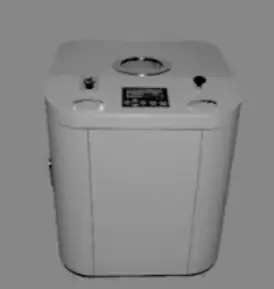
4. Torrey Hills Technologies
Known for: Laboratory and industrial material processing equipment and customized processing solutions.
Torrey Hills Technologies is another supplier that buyers may encounter when researching planetary and centrifugal mixing equipment.
Its equipment portfolio covers material processing applications across laboratory and industrial environments, making it relevant for users comparing different approaches to mixing, dispersion, and material processing.
For buyers considering this type of supplier, the key evaluation points should include the specific planetary mixing mechanism, available capacity range, container configuration, speed control, vacuum capability, and application support.
What to consider
Because planetary centrifugal mixers can be configured very differently from one manufacturer to another, buyers should confirm the exact machine configuration rather than comparing manufacturers only by the product category name.
For example, two machines described as "planetary mixers" may have very different:
- Rotation speeds
- Revolution speeds
- Rotation/revolution ratios
- Working volumes
- Vacuum capabilities
- Container geometries
- Control systems
5. Berlon
Known for: Process-oriented planetary centrifugal mixing systems, vacuum degassing, custom containers and adapters, and application-specific engineering.
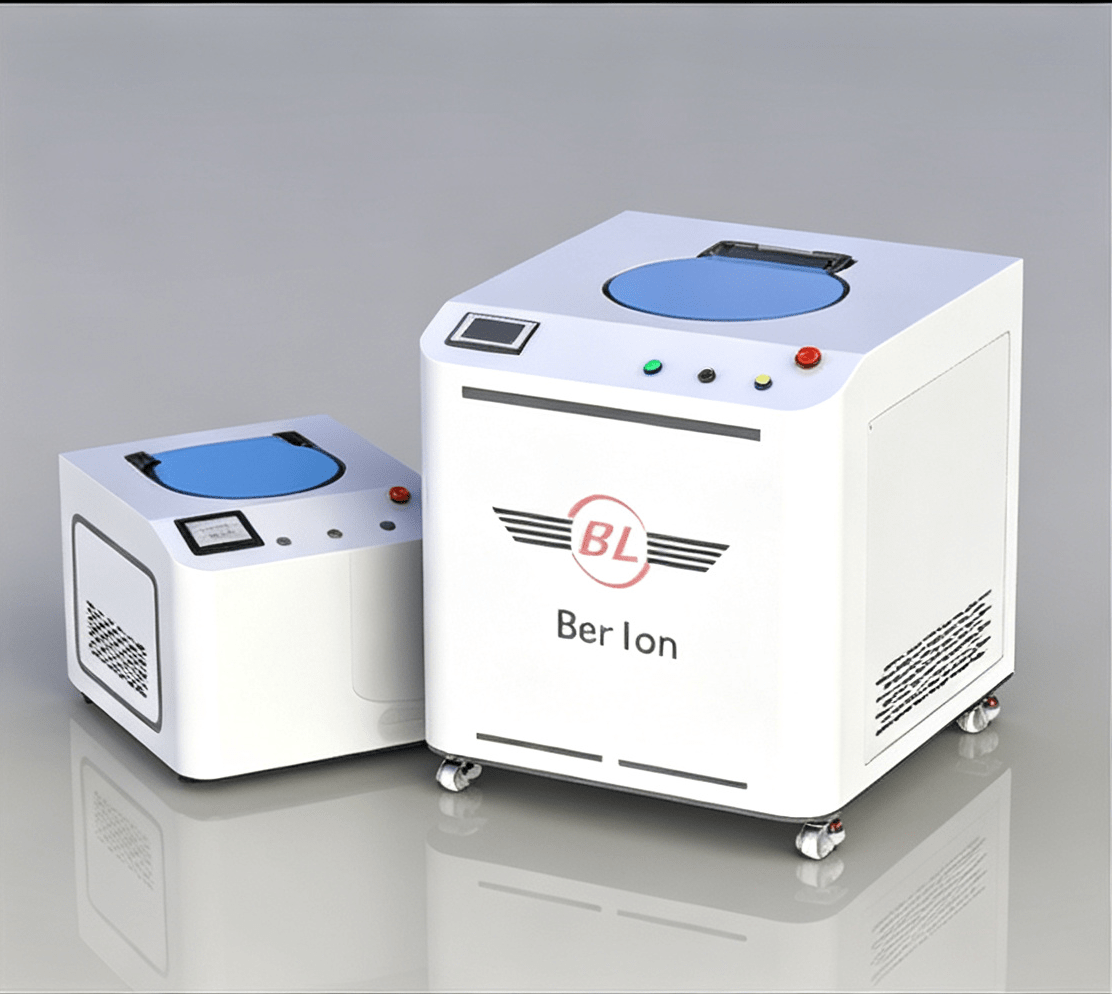
Berlon develops planetary centrifugal mixing equipment for laboratory, R&D, pilot-scale, and industrial material processing applications.
Its planetary centrifugal mixer product range includes vacuum degassing systems from approximately 350 mL to 20 L, covering laboratory, pilot, and larger production requirements.
Berlon's systems are designed around simultaneous rotation and revolution. Vacuum-enabled configurations can combine mixing and degassing in the same process.
Beyond the Mixer: Engineering the Mixing Process
For some applications, selecting the mixer is only the first step.
The geometry of the mixing container can influence material movement inside the vessel. This becomes especially important when processing formulations containing high solid loading or materials with significantly different densities.
In one recent customer application, a 1 L dual-motor planetary centrifugal mixer was used to process titanium powder and resin at a 4:1 ratio.
The customer's initial cartridge measured 45 × 179 mm. During material testing, the initial configuration did not produce the expected mixing performance.
Berlon therefore evaluated the relationship between the cartridge geometry and material movement and recommended a larger 68.5 × 251.5 mm cartridge.
After changing the cartridge configuration and conducting another test, the mixing performance improved significantly.
This type of application demonstrates an important point:
Selecting a suitable container is part of planetary centrifugal mixing process design—not simply a matter of choosing a container that fits the machine.
How to Compare Planetary Centrifugal Mixer Manufacturers
There is no single specification that determines whether a planetary centrifugal mixer is suitable for your application.
Instead, buyers should evaluate the complete mixing system.
1. Mixing Capacity
2. Material Viscosity
3. Vacuum Capability
4. Rotation and Revolution Control
5. Container and Adapter Compatibility
6. Application Testing
Planetary Centrifugal Mixer vs. Planetary Vacuum Degassing Mixer
These terms are related but not always interchangeable.
A planetary centrifugal mixer describes the underlying mixing mechanism based on rotation and revolution.
A planetary vacuum degassing mixer adds vacuum processing to the planetary centrifugal mixing system.
Which Planetary Centrifugal Mixer Is Right for Your Application?
The answer depends on your material and process
| Application Scenario | Key Considerations / Features | Recommendations & Workflow |
|---|---|---|
| Laboratory Formulation Development |
|
Focus on flexibility, ease of cleaning, and precise parameter control for fast R&D iterations. |
| High-Viscosity Materials |
|
Select models with temperature control and high torque to prevent material degradation. |
| Powder + Liquid Formulations |
|
Pay attention to planetary material flow to ensure uniform dispersion without clumping. |
| Dispensing Applications |
|
Complete Workflow: Mixing → Degassing → Cartridge → Dispensing |
Why Custom Engineering Can Matter
Choosing a Planetary Centrifugal Mixer Manufacturer
When comparing planetary centrifugal mixer manufacturers, consider the complete solution rather than one specification.
A useful evaluation checklist includes:
| Factor | Questions to Ask |
|---|---|
| Material | What are the viscosity, density, particle size, and solid loading? |
| Batch size | What is the actual required working volume and batch weight? |
| Mixing | What level of dispersion and homogenization is required? |
| Degassing | Are entrapped air or micro-bubbles a critical concern? |
| Container | Can the manufacturer support your existing cartridge or vessel? |
| Control | Can rotation, revolution, time, and vacuum be adjusted? |
| Testing | Can the supplier test your actual material? |
| Customization | Can adapters and fixtures be designed for your process? |
| Scale-up | Can the process be transferred from laboratory to production? |
| Support | Does the supplier provide engineering support after purchase? |
The most suitable manufacturer is therefore not necessarily the one with the largest machine or the highest speed.
It is the one whose equipment configuration and engineering support match your material and process requirements.
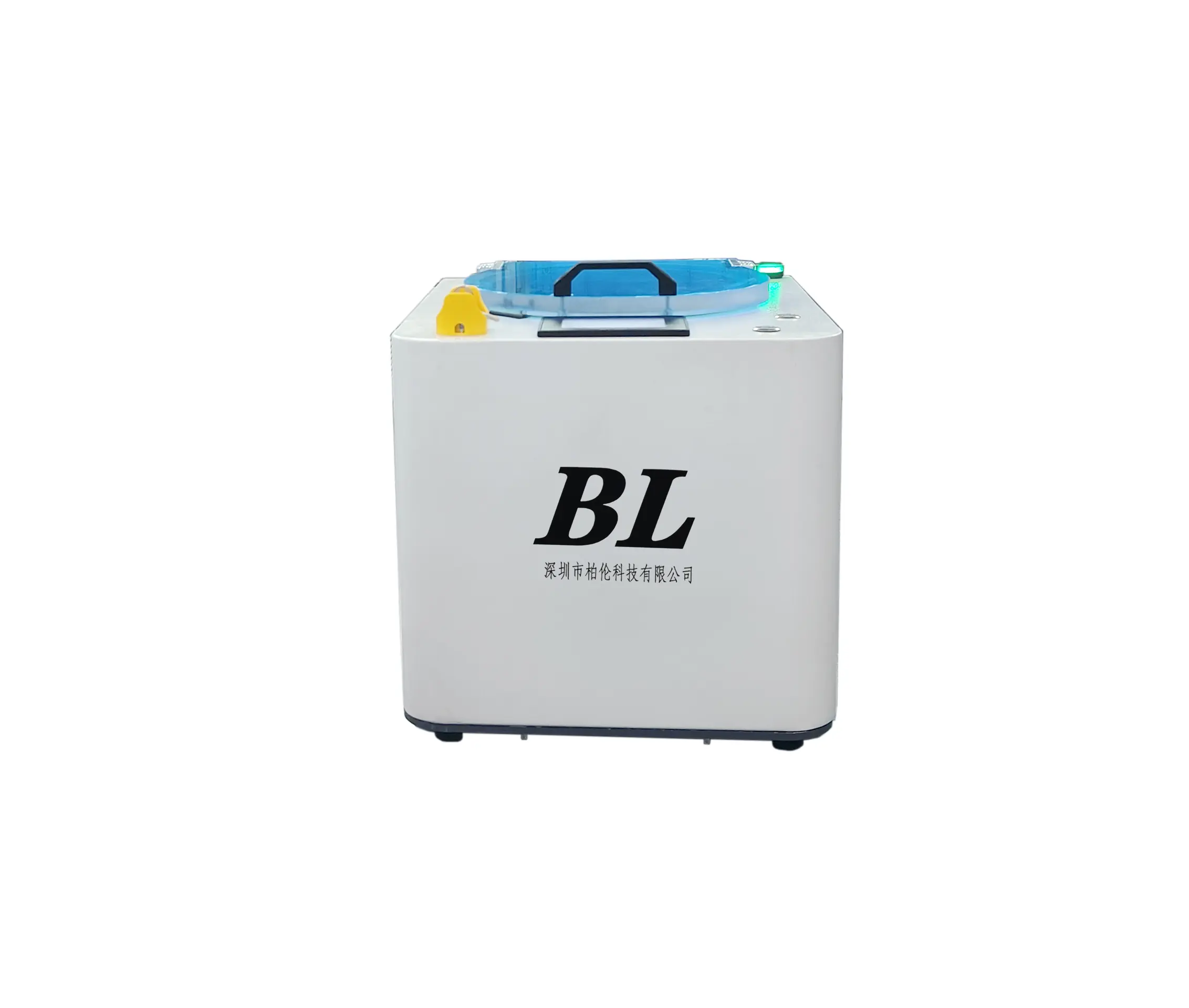
Planetary Centrifugal Mixers from Berlon
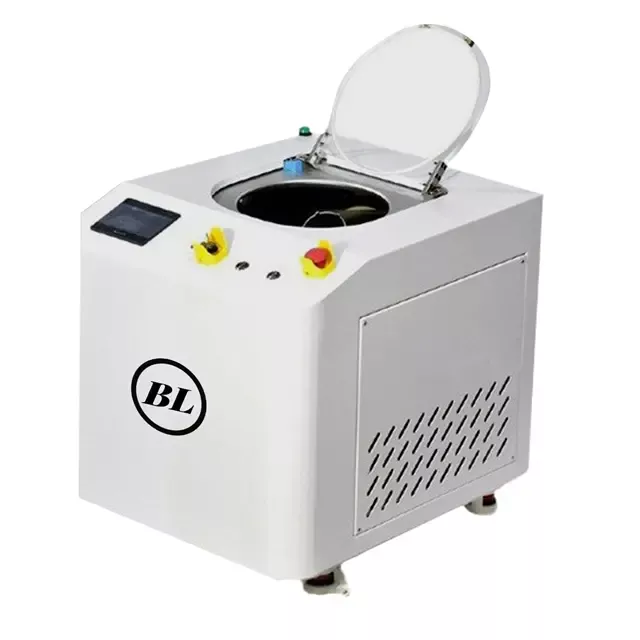
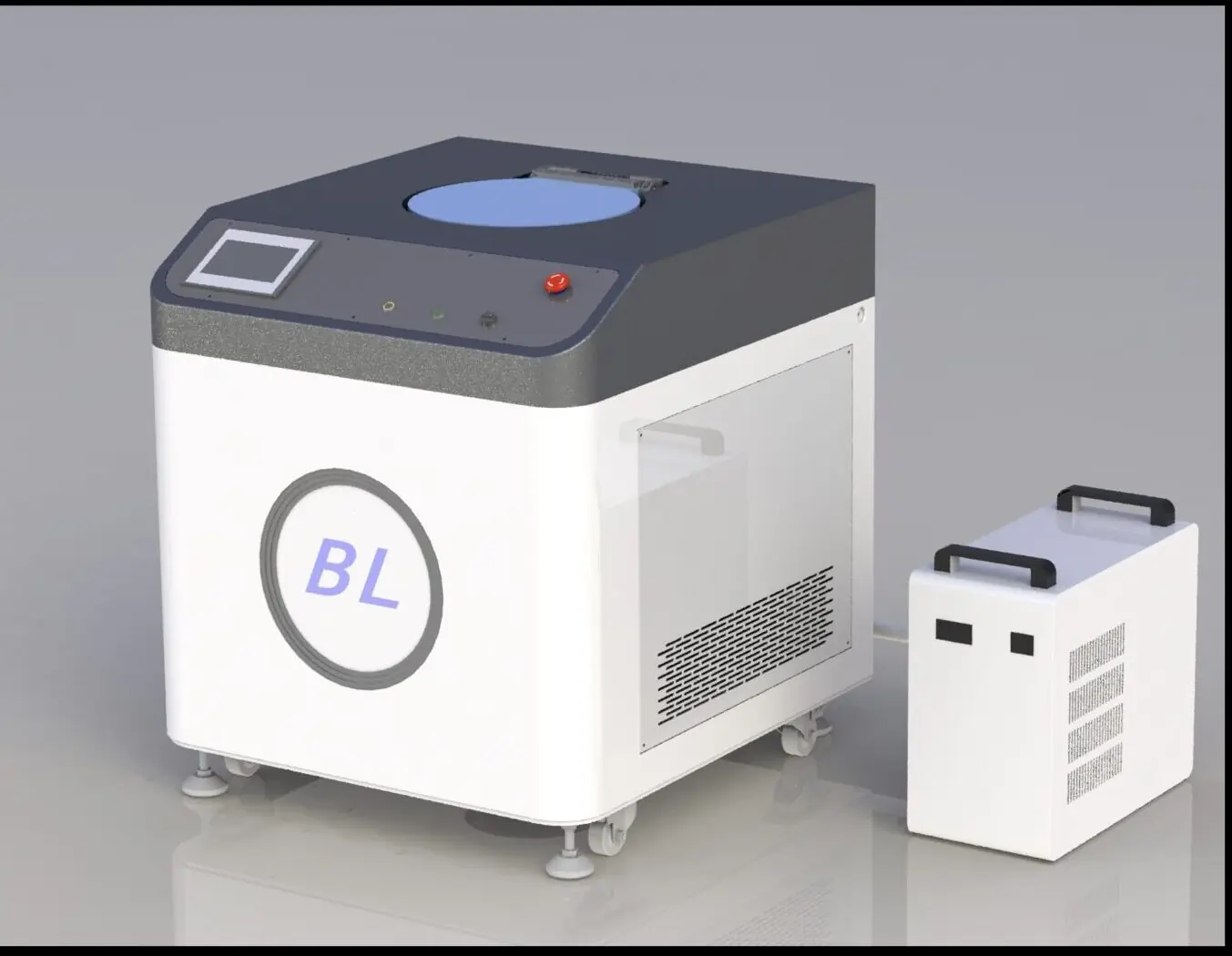
Berlon offers planetary centrifugal mixing systems for laboratory, pilot-scale, and industrial applications.
Temperature-Controlled Planetary Vacuum Mixer

Explosion-Proof Planetary Vacuum Mixer
FAQ
A planetary centrifugal mixer uses simultaneous rotation and revolution to generate complex material flow, centrifugal force, convection, and shear inside a mixing container.
A planetary centrifugal mixer describes the mixing mechanism. A vacuum planetary mixer adds reduced-pressure processing, which can support degassing and bubble removal.
Depending on the machine configuration, planetary centrifugal mixers can process materials including adhesives, epoxy, silicone, electronic pastes, ceramic slurries, coatings, inks, composites, battery materials, and other liquid, paste, and powder-containing formulations.
Not necessarily. Vacuum processing is useful when entrapped air, bubbles, or dissolved gases are important to the final application. The need should be determined by the material and process requirements.
Yes. Many planetary centrifugal mixing systems can be configured with adapters for cartridges, syringes, vials, and other containers. The exact compatibility depends on the mixer and container dimensions.
For demanding applications, material testing is strongly recommended. Testing the actual formulation can help determine the appropriate container, mixing parameters, and machine configuration.
Need Help Choosing a Planetary Centrifugal Mixer?
Berlon can evaluate the application and recommend a suitable planetary centrifugal mixing configuration.


