3D Printing Resin & Paste Mixing Solution | Eliminate Air Defects

Advanced additive manufacturing demands defect-free slurry and resin preparation. Trapped air bubbles, filler agglomeration, and inconsistent rheology directly cause print failure, structural voids, and reduced mechanical strength in 3D printed parts.

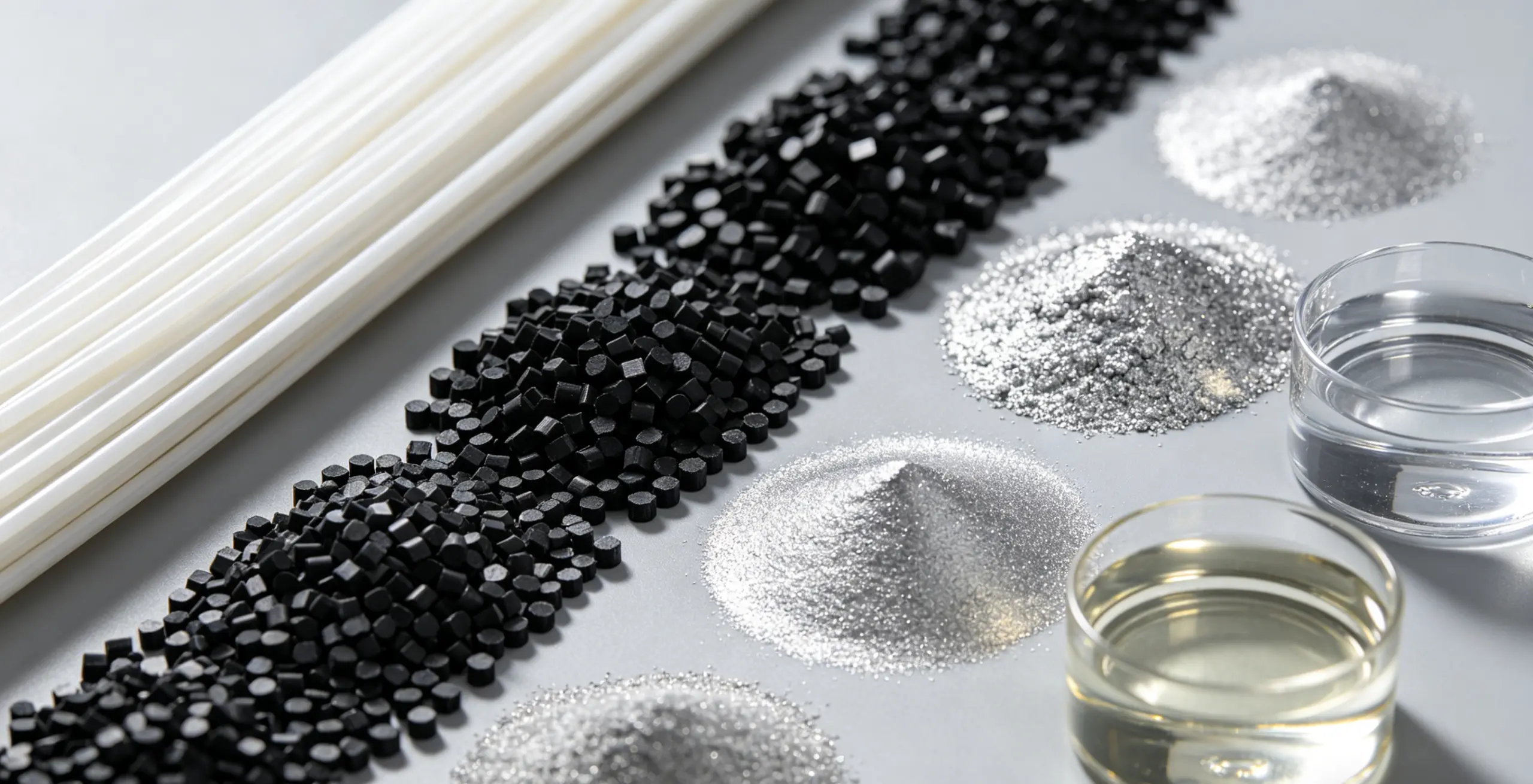
Printable Materials & Slurries Handled

  • Photopolymer Resins: Standard SLA/DLP resins, high-toughness, heat-resistant engineering resins, flexible photopolymers, and biocompatible medical resins.

  • Metal & Ceramic Pastes: High-load titanium (up to 78%+), zirconia, alumina pastes, and Direct Ink Writing (DIW) formulations.

  • Conductive & Functional Inks: Nano-silver pastes, carbon nanotube (CNT)/graphene inks, and flexible sensor formulations.

  • High-Viscosity Composites: Fiber-reinforced (carbon/glass) resins, industrial-grade silicones, and polyurethane printing gels.

Industry Applications

  • Aerospace & Defense: Light-weighting structural components, complex flow-channel inserts, and heat-resistant functional prototypes.

  • Electronics & Semiconductor Packaging: 3D-printed circuitry, micro-dispensing encapsulants, and thermal management components.

  • Medical & Dental: Dental aligner molds, surgical guides, customized implants, and bio-compatible scaffolds.

  • Tooling & Precision Manufacturing: Rapid tooling inserts, custom jigs, fixtures, and ultra-high precision prototype models.

Common Material Processing Challenges

  • Micro-Bubble Entrapment: Sub-micron air voids trapped during mixing cause internal defects, lower tensile strength, and lead to line breakage in extrusion-based printing.

  • Particle Agglomeration & Settling: Dense metallic or ceramic powders form clusters in liquid resins, causing phase separation, clogged nozzles, and inconsistent part density.

  • Frictional Heat & Premature Polymerization: High-shear mechanical blade stirring generates excessive heat, triggering premature curing or gelation in heat-sensitive resins.

  • Unstable Rheology: Inadequate deaeration and non-uniform dispersion lead to erratic thixotropic behavior, resulting in slumping, stringing, or layer delamination.

How Planetary Vacuum Mixers Solve These Issues

Processing Challenge Planetary Vacuum Mixer Solution Technical Benefit
Trapped Air / Micro-Voids Dual Vacuum Deaeration (-0.098 MPa) Removes sub-micron air bubbles entirely without volatile loss, achieving near 100% density.
Agglomeration & Settling Non-Contact Dual Rotation (Revolution + Rotation) High-G centrifugal forces thoroughly disperse fine powders into resins without blades, preventing dead zones.
Overheating & Curing Low-Shear Hydrodynamic Force Uniform dispersion without mechanical blades minimizes friction heat, keeping temperature-sensitive resins intact
High Viscosity Processing Extreme Viscosity Handling Capabilities Easily processes pastes exceeding hundreds of thousands cPs (e.g., 78%+ high-loading titanium pastes).

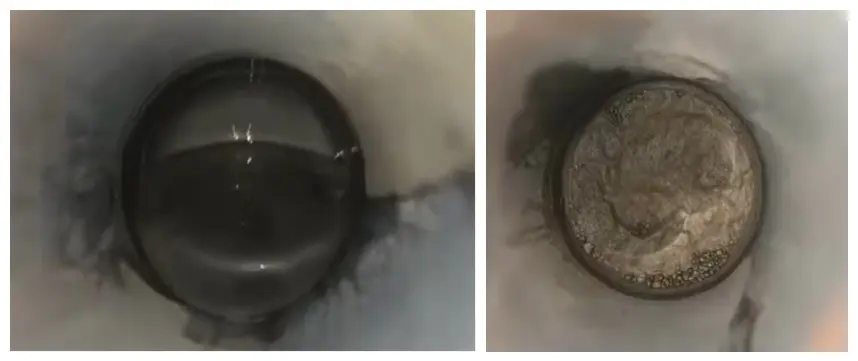
Customer Case