
Blog
Case Study: Achieving Bubble-Free Slurry with a Planetary Vacuum Mixer

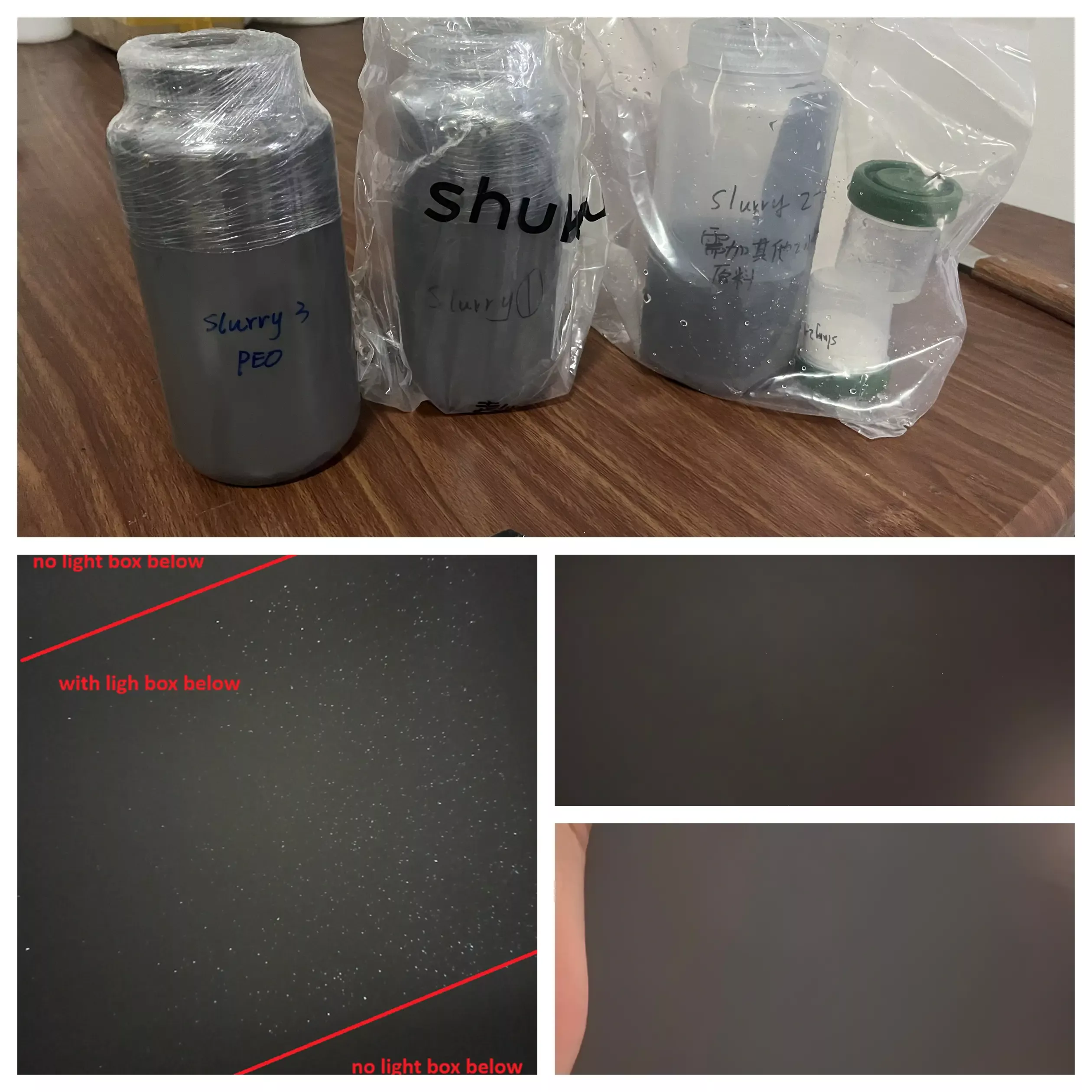
In the high-precision coating industry, the quality of the final product depends entirely on the homogeneity and purity of the slurry. Even the microscopic entrapped air can lead to pinholes, surface defects, and structural failures in advanced coating applications.
Recently, a leading Belgian company specializing in steel wire transformation and advanced coatings, partnered with us to solve a critical production challenge: achieving complete degassing and eliminating stratification in complex, high-viscosity material systems.
Using our advanced planetary vacuum mixer, we conducted comprehensive material testing on three distinct slurries provided by the client. Below is the detailed breakdown of the testing process, parameters, and the flawless bubble-free results achieved.
Slurry 1: Re-Mixing and Deep Degassing of Methyl Cellulose-Based Material
The Challenge
The first material was a pre-mixed, Methyl Cellulose-based slurry. Upon arrival, the material exhibited obvious stratification, with a dense layer of bubbles clearly visible on the top surface. The client’s goal was to re-mix the slurry thoroughly and achieve complete degassing to eliminate all trapped air.
The Solution & Process
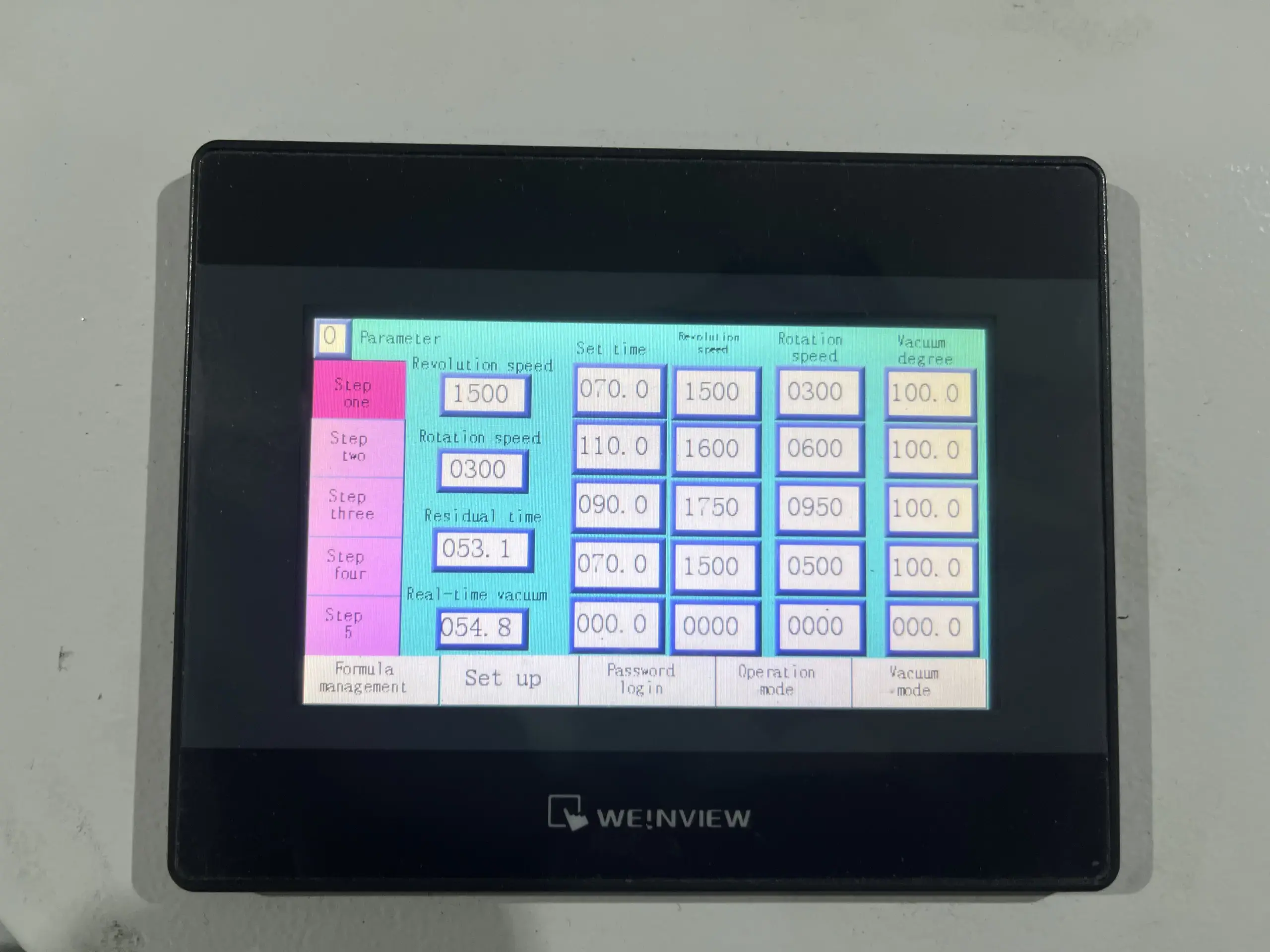
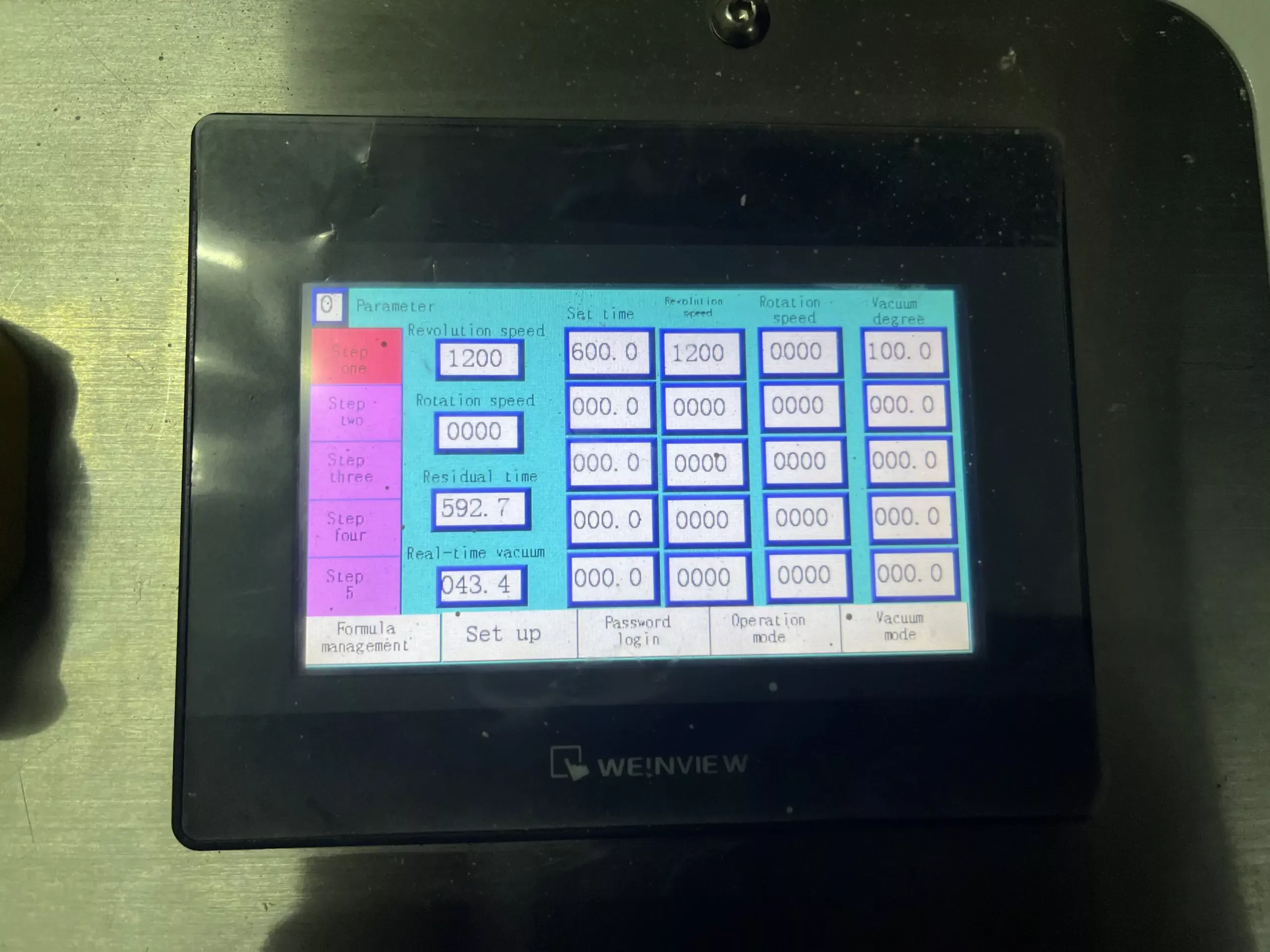
To handle the stratification without introducing new air, we utilized a specialized 5-stage mixing program on our planetary vacuum degassing mixer. This multi-stage approach allows for a gradual transition between high-speed dispersion and deep vacuum degassing.
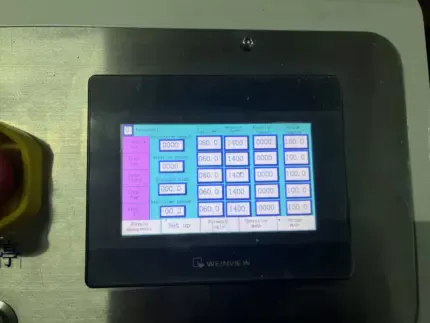
The Result: A Flawless Surface
After the mixing cycle, the transformation was immediate:
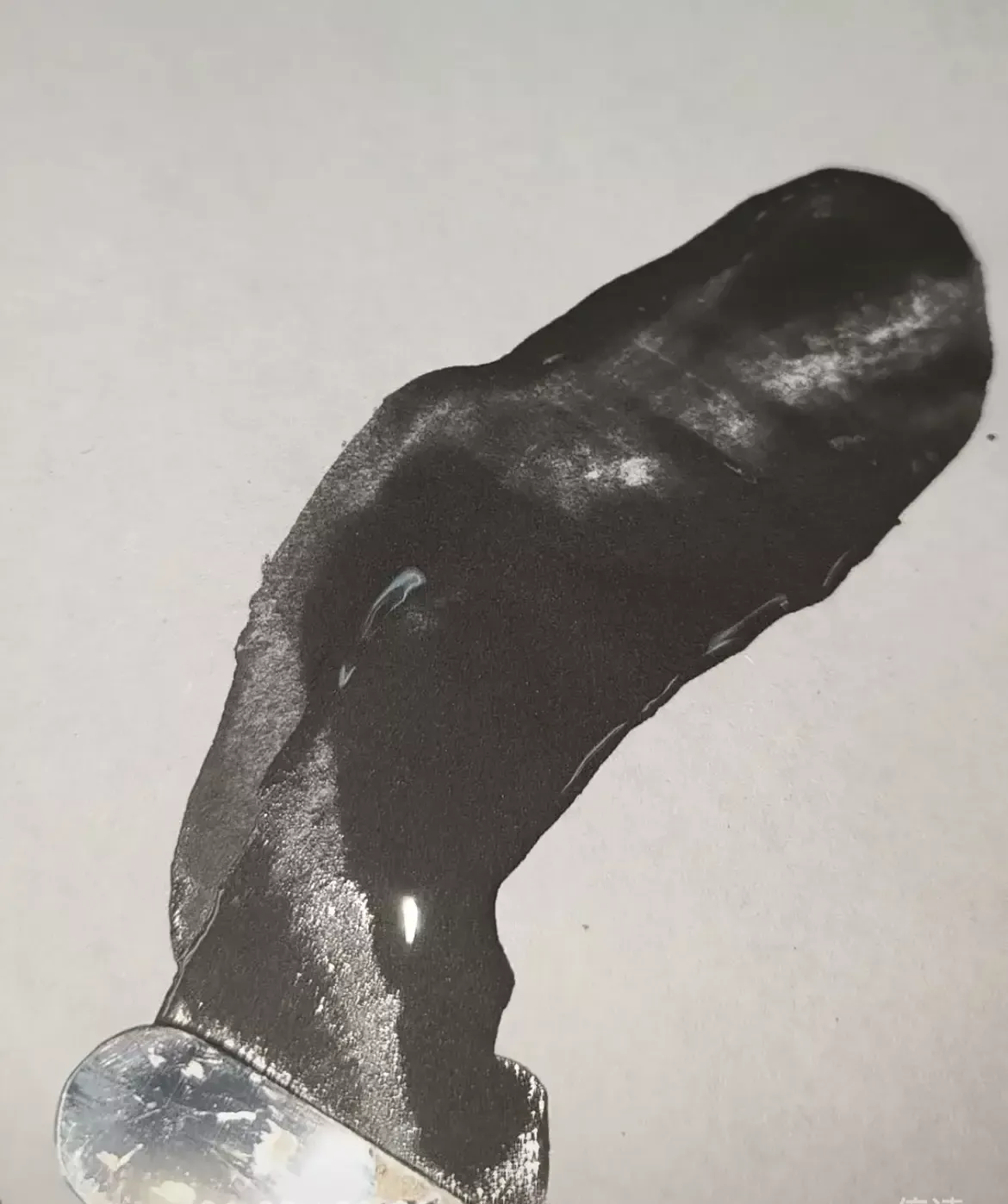
Visual Inspection: Bubbles became completely invisible to the naked eye.
Fluidity: The stratification was entirely eliminated, resulting in a perfectly homogeneous mixture.
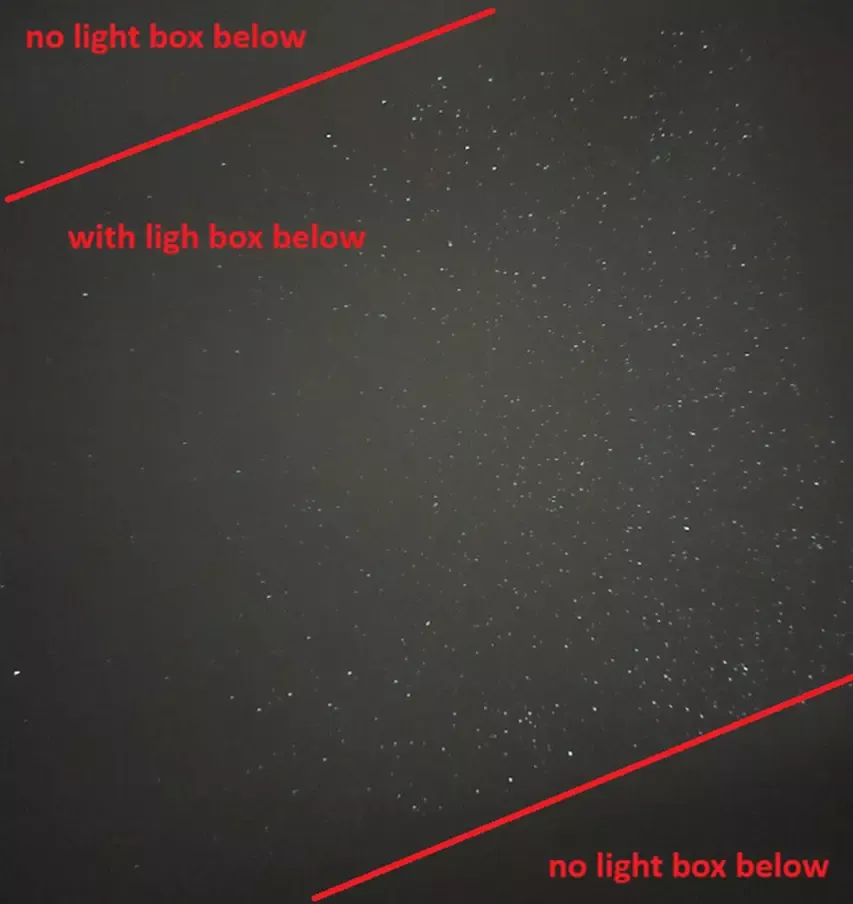
Lightbox Test: Even when the slurry was illuminated under intense light in our testing lightbox, only extremely microscopic bubbles remained, confirming the superior efficiency of our vacuum system.
Slurry 2: Overcoming Lumping in Titanium Powder & Methylcellulose Blends
The Challenge
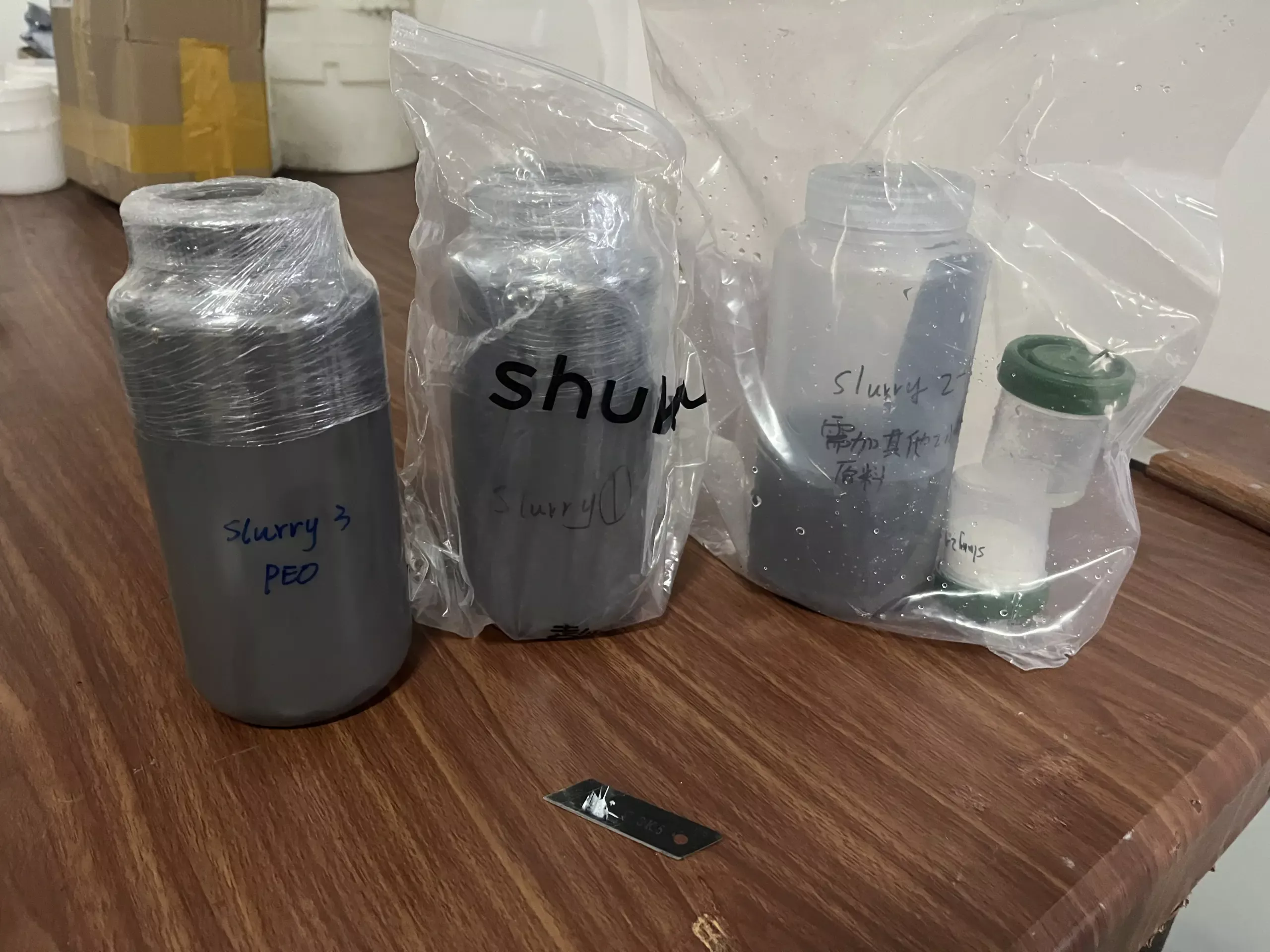
Slurry 2 was a highly challenging formulation consisting of Titanium powder, Methylcellulose powder, and other proprietary components. The preparation process required a strict sequence:
Dissolving Methylcellulose powder into hot water (>90°C) with continuous stirring and degassing.
Mixing Titanium powder and other components with the remaining cold water in a separate container.
Combining both mixtures for the final blending and vacuum processing.
The Technical Evolution: Single-Motor vs. Dual-Motor Model
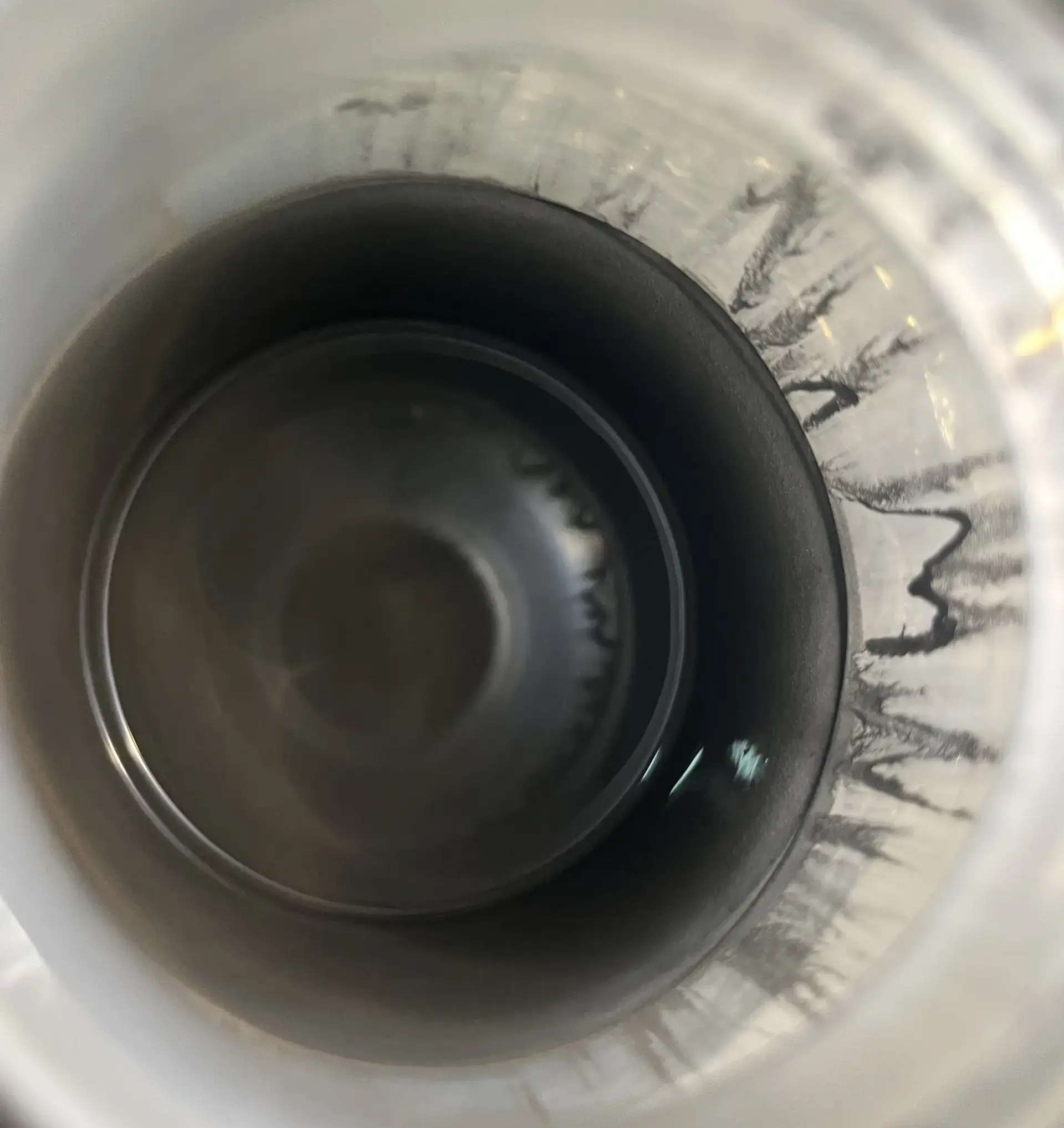
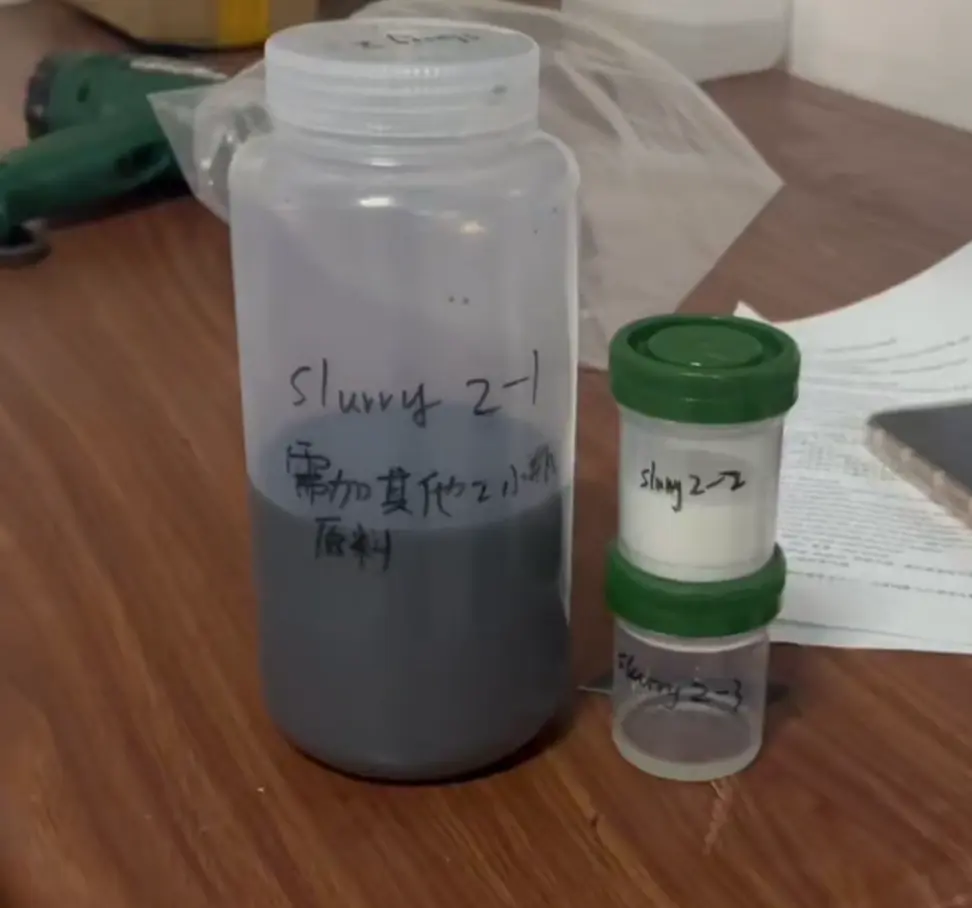
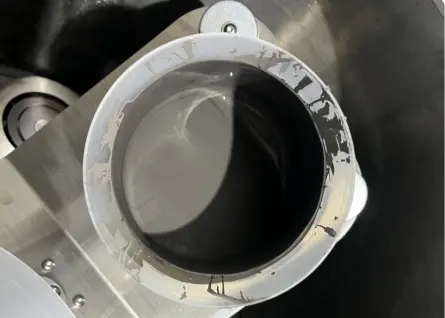
During the first round of testing, we utilized our single-motor planetary mixer. However, due to the high viscosity and binding nature of Methylcellulose, the results were unsatisfactory as the powder and slurry clumped together into stubborn lumps.
Recognizing the rotational speed and mixing capacity constraints for this specific material, our engineering team shifted the strategy:
♦The Upgrade: We transferred the material into our specialized mixing beakers and switched to our Dual-Motor Planetary Vacuum Mixer.
♦The Adjustment: We independently increased the rotational speed of the self-rotation function to generate higher shear force, successfully breaking down the material aggregates.
First Mixing by Single-Motor Model
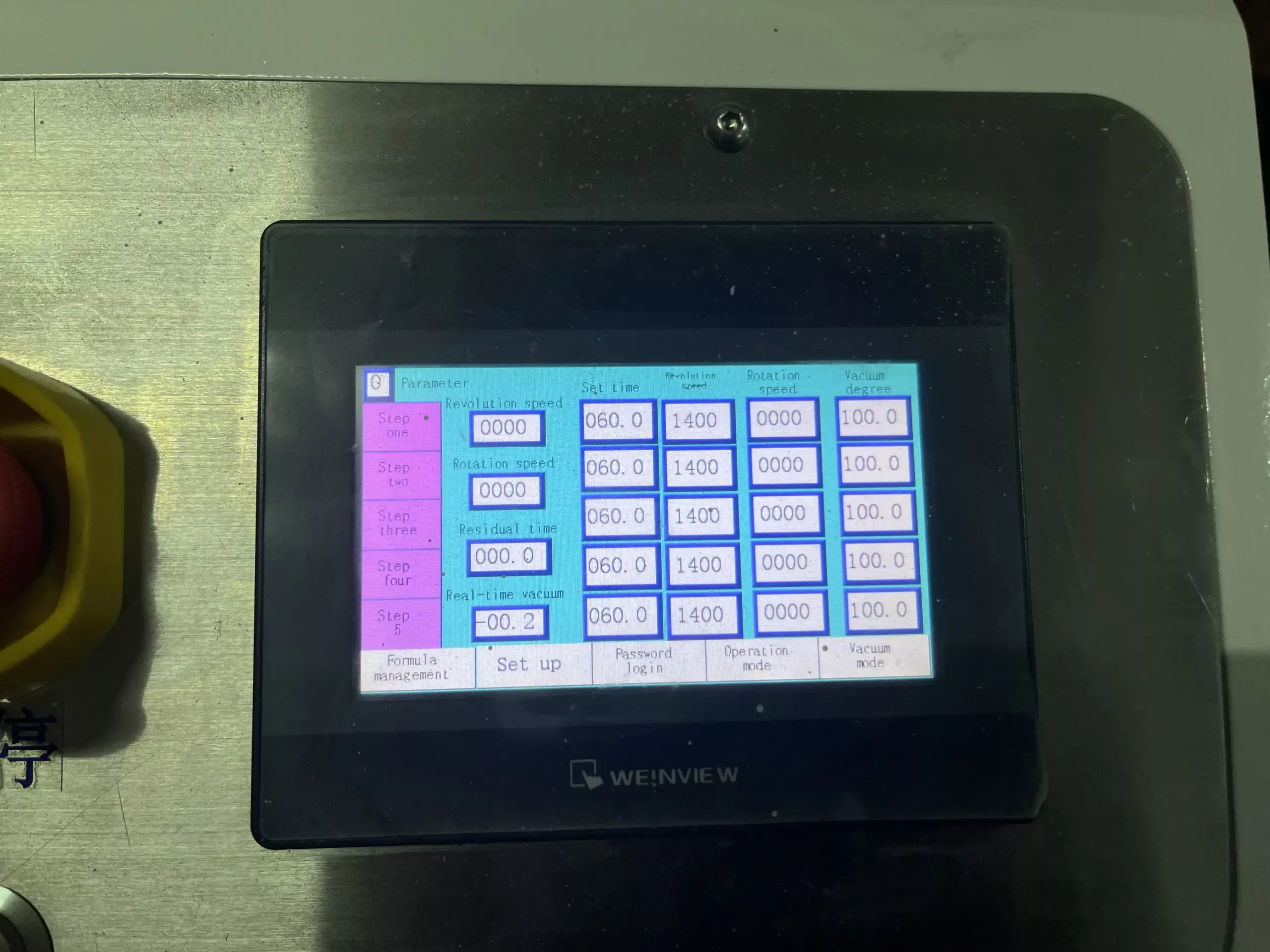
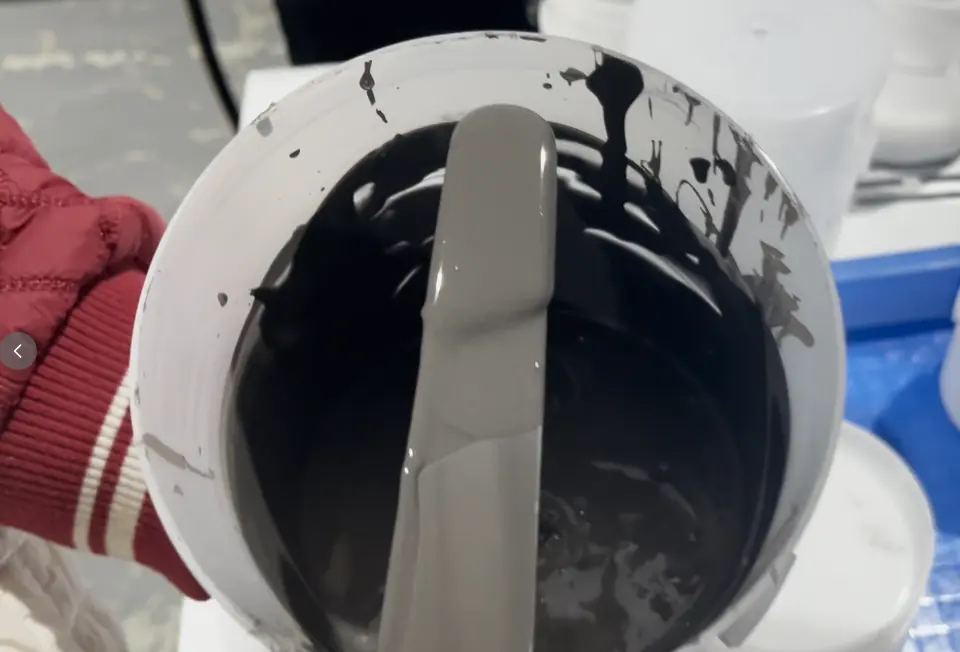
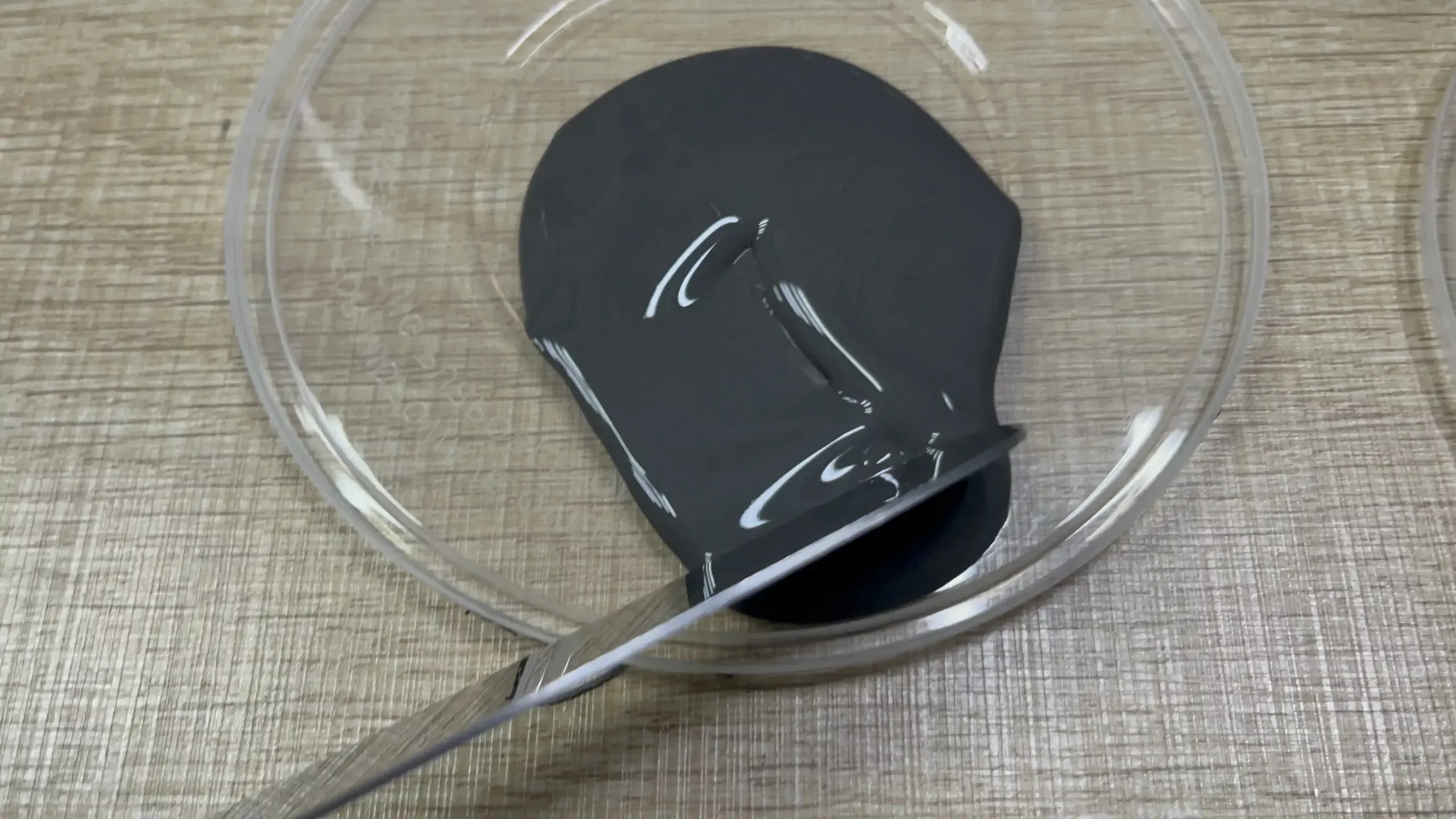
Second Mixing By Dual-Motor Model
The Result
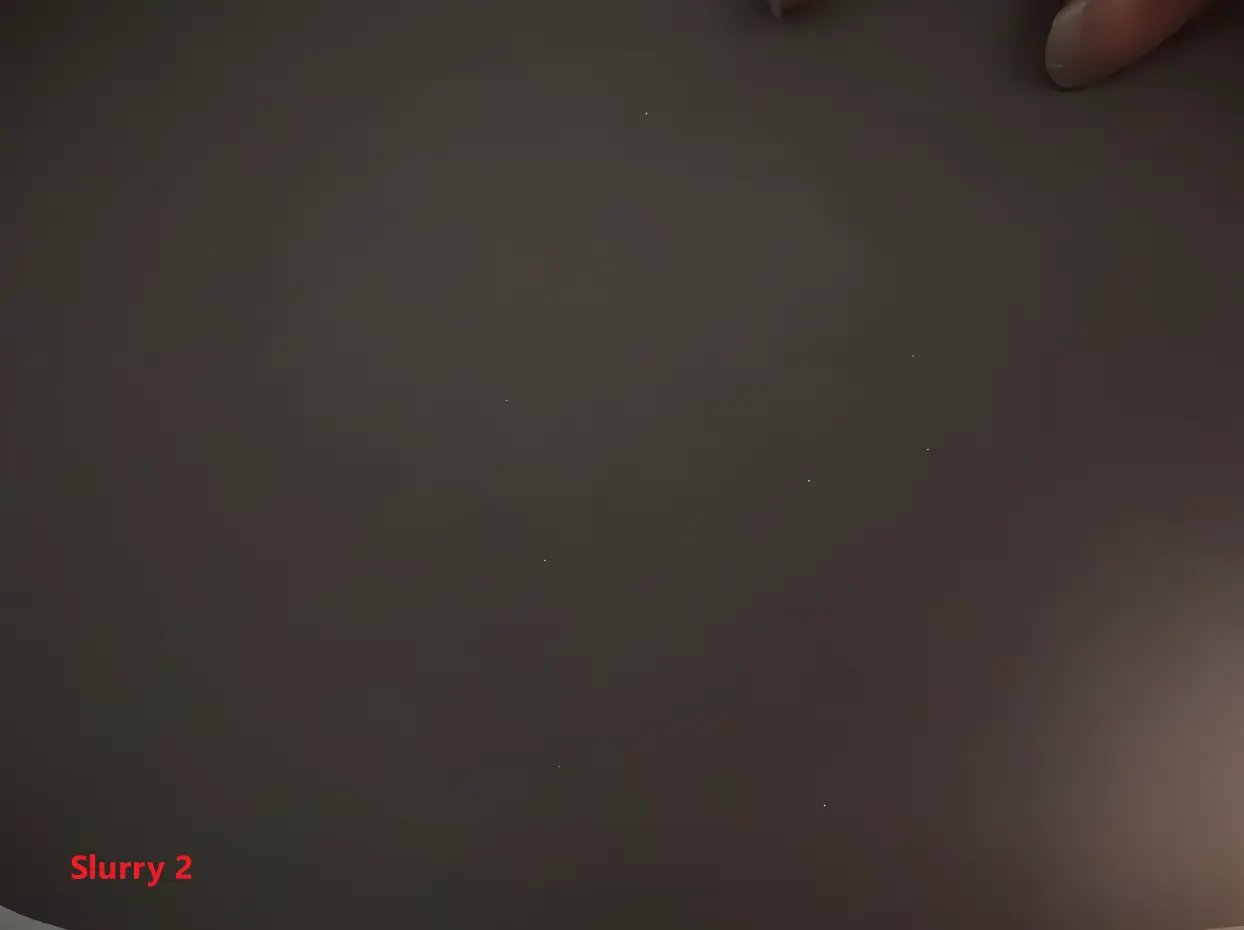
The dual-motor independent control proved to be the game-changer. The Titanium powder and Methylcellulose were uniformly mixed without a single lump. Under the exact same lightbox testing conditions, the slurry delivered an excellent, completely bubble-free performance.
Crucial Takeaway: For complex formulations like Titanium/Methylcellulose blends, a dual-motor planetary vacuum mixer is highly recommended to ensure maximum performance stability and scale-up reliability.
Slurry 3: Achieving Perfect Fluidity in PEO System Slurries
The Challenge
The third material was a pre-mixed PEO (Polyethylene Oxide) system slurry. The client required a secondary, high-efficiency mixing and degassing process to ensure the material was absolutely pristine before entering their coating production line.
The Solution & Coating Test
The third material was a pre-mixed PEO (Polyethylene Oxide) system slurry. The client required a secondary, high-efficiency mixing and degassing process to ensure the material was absolutely pristine before entering their coating production line.
The Result
The processed PEO slurry exhibited a smooth, bubble-free surface and excellent fluidity. When placed under the testing lightbox after the coating process, the film showed zero air entrapment, meeting the highest standards required for advanced wire and surface coatings.

Why Leading Coating Manufacturers Choose Our Planetary Vacuum Degassing Mixers
This case study with our Belgian client highlights why traditional blade mixers fall short when handling high-tech coating slurries. Our bladeless planetary vacuum mixer delivers key advantages:
♦Dual-Motor Flexibility: Independent control of rotation and revolution allows you to adjust shear forces precisely to eliminate lumps in materials like Titanium powder.
♦Bladeless Mixing: Eliminates air introduction, reduces cleanup time, and prevents material contamination.
♦Sub-Micron Degassing: Combines powerful centrifugal force with vacuum technology to pull out even the most stubborn micro-bubbles.
Get a Free Material Test for Your Slurry
Are you struggling with bubbles, clumping, or stratification in your mixing process? Like our partners in Belgium, you can send your materials to our laboratory for a free test mixing session. Contact our technical team today to find the perfect single or dual-motor configuration for your application!


