Vacuum Degassing & Defoaming Solutions
Why Micro-Bubbles Are Fatal to High-Performance Materials
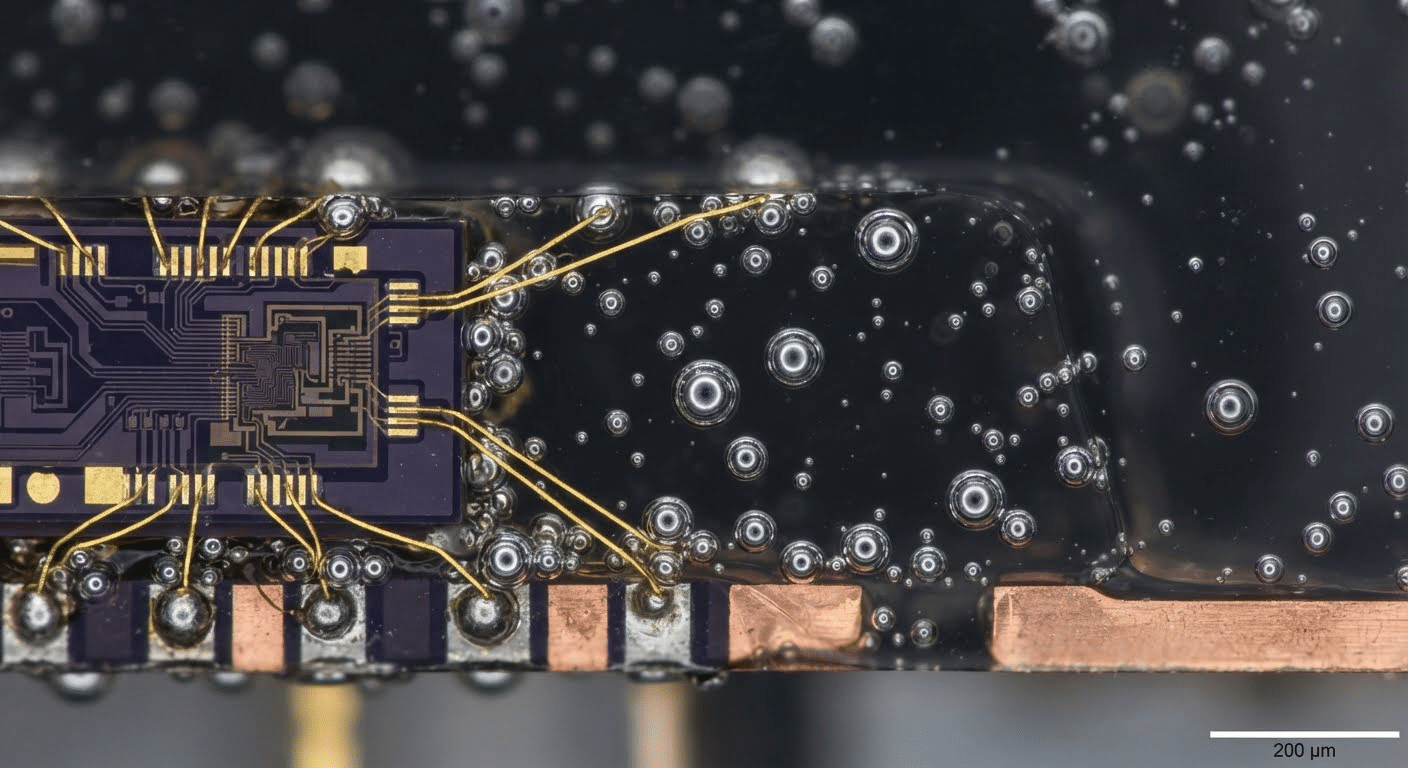
Micro-bubbles trapped in potting compounds or semiconductor encapsulants cause localized partial discharges under high voltage, leading to short circuits and insulation failure.
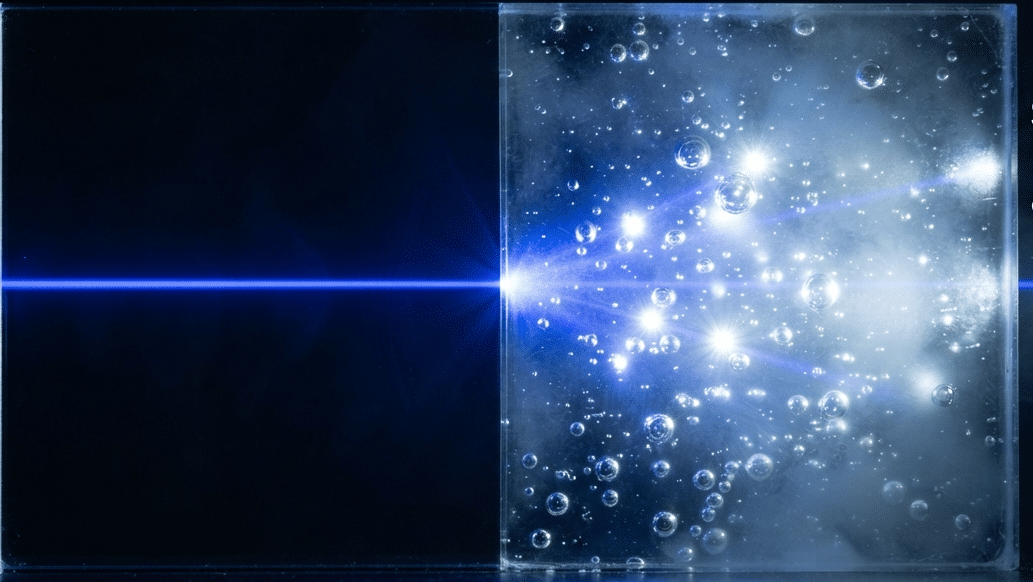
Air entrapment in optical clear resins (LOCA) or LED packaging creates refractive index mismatch, leading to turbidity, haze, and light degradation.
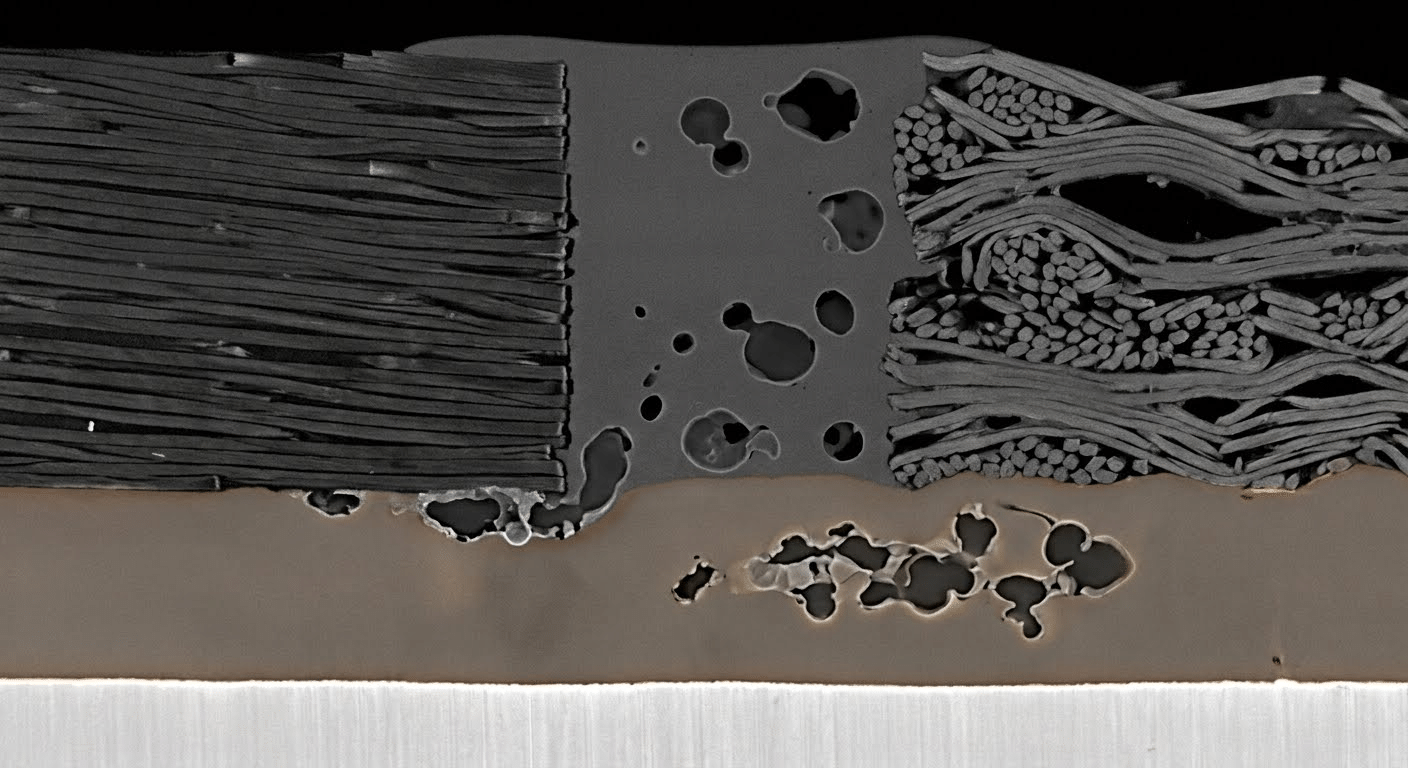
Internal voids in structural adhesives, carbon composites, or elastomeric seals act as stress concentration points, drastically reducing tensile strength and fatigue life.
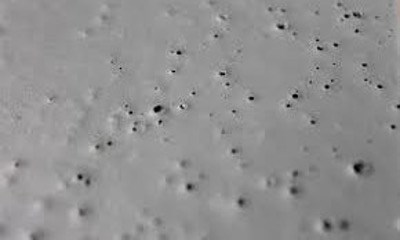
Gases escaping during thermal curing rupture at the surface, creating permanent craters, pinholes, and aesthetic rejects on coatings or cast parts.
Synergistic Planetary Centrifugal Acceleration + High Vacuum
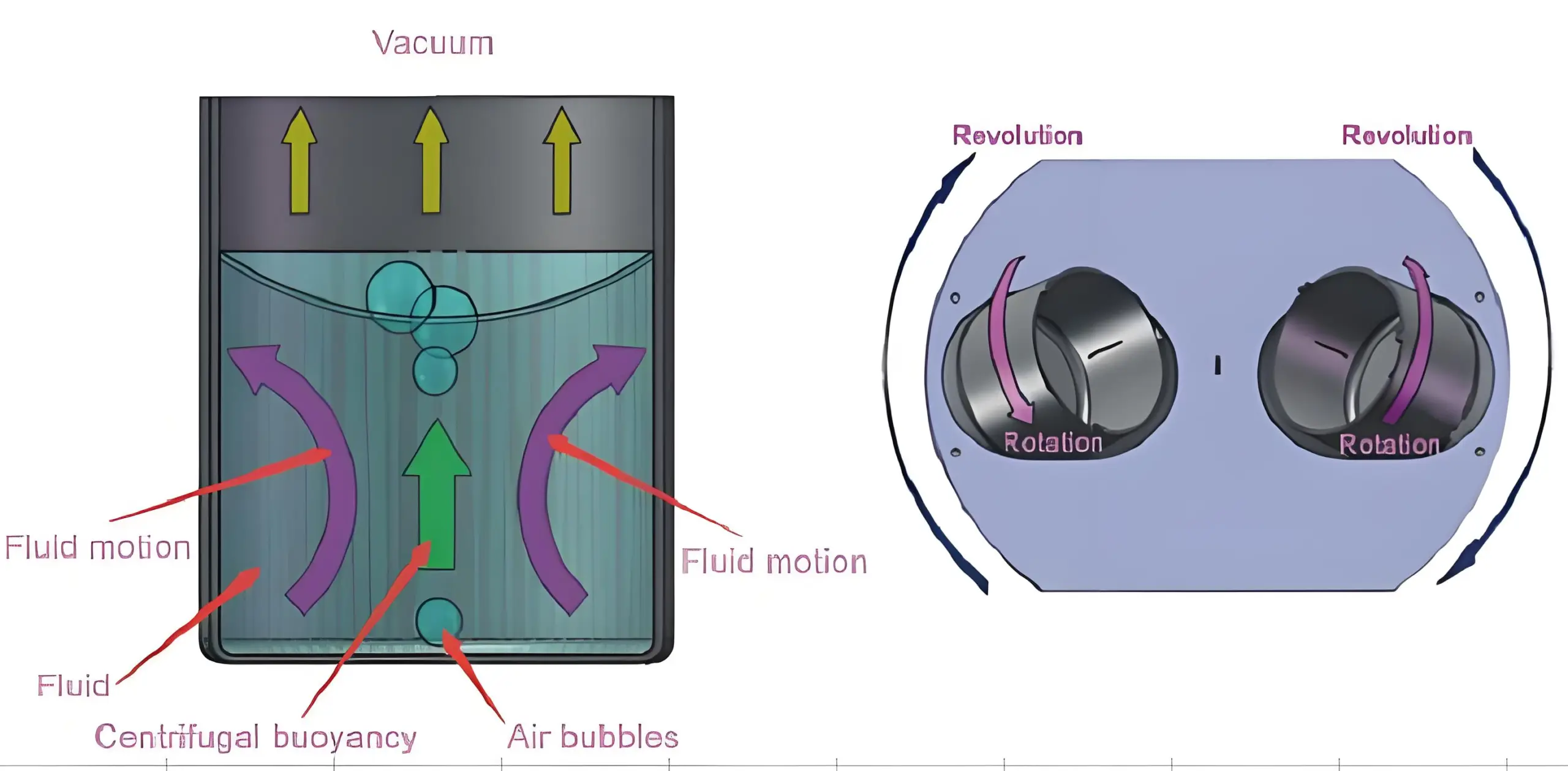
Traditional static vacuum chambers or ultrasonic debubblers fail when handling viscosities above 10,000 cP. Our non-contact planetary vacuum technology overcomes liquid surface tension to pull out microscopic air bubbles in seconds.
Key Mechanism Bullet Points:
| Powerful G-Force Separation | High-speed revolution generates intense centrifugal force, forcing heavy liquid media outward while squeezing low-density air bubbles to the top surface. |
| Sub-Barometric Bubble Rupture | As micro-bubbles rise under g-force, deep vacuum (up to absolute sub-atmospheric pressure) forces them to expand exponentially and burst instantly. |
| Shear Thinning Effect | Material is spread thinly along the inner container wall, drastically shortening the diffusion path for trapped gas escape. |
| 100% Non-Contact & Zero Contamination | Mixing and degassing occur directly inside disposable/reusable containers without any agitator blades—eliminating cross-contamination and cleanup time. |
Engineered for Void-Free Processing Across Critical Industries
Electronic Encapsulation & Semiconductor Potting
Epoxy resins, polyurethane sealants, silicone potting gels, BGA underfills.
Optical & Display Adhesives (LOCA / OCA)
High-transparency optical resins, lens bonding compounds, display panel adhesives.
Conductive Pastes & Energy Materials
Silver conductive pastes, carbon nanotube (CNT) slurries, thermal greases (preventing air voids that block electrical/thermal conductivity).
Medical & Dental Compounds
Dental composites, impression materials, pre-filled syringe pharmaceuticals (degassed directly inside syringes).
Direct-in-Syringe Degassing: Zero Re-Aeration
Traditional degassing requires transferring degassed material into dispensing barrels, which re-introduces micro-bubbles. Berlon eliminates this step entirely.
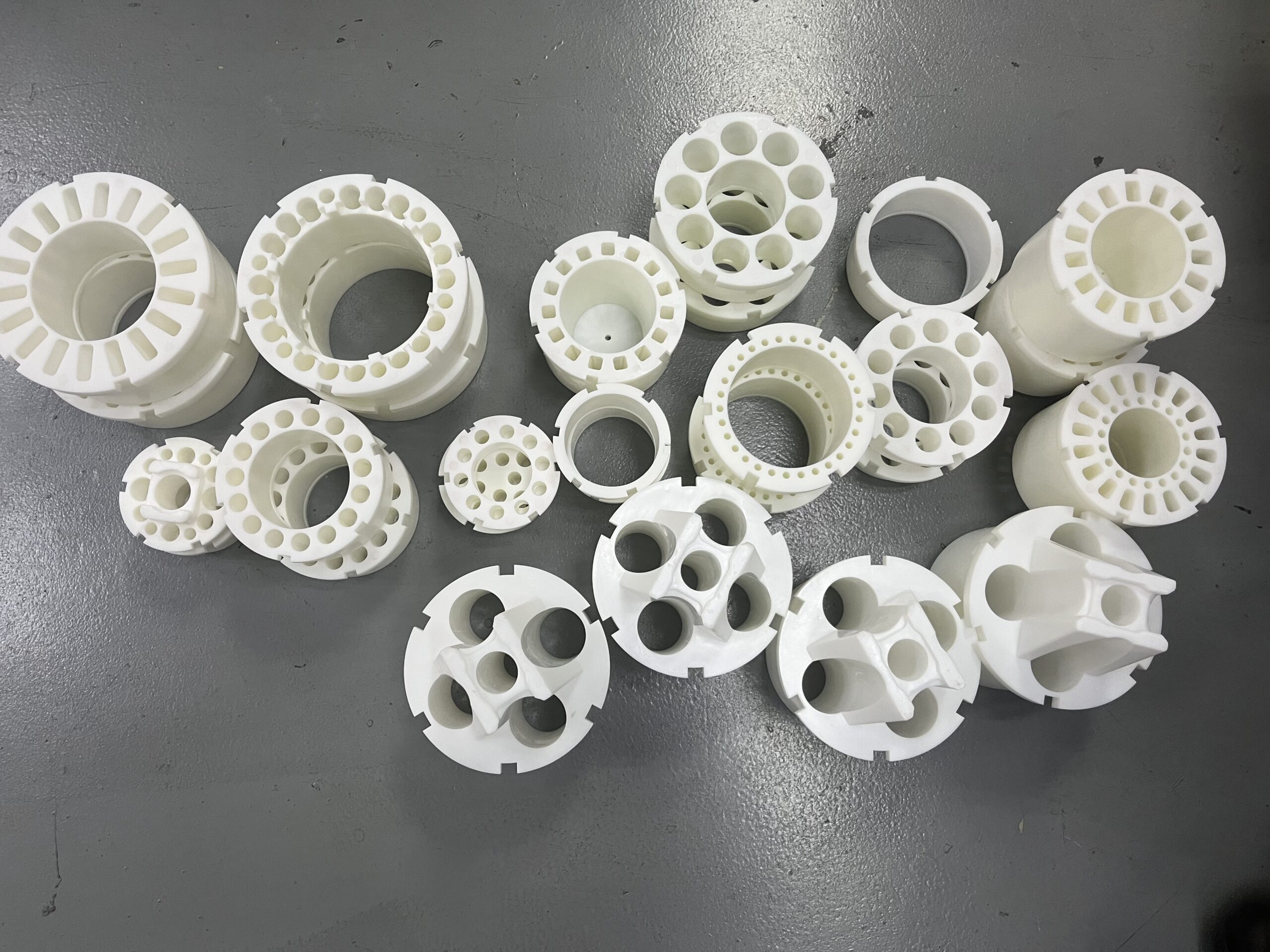
Custom Adapters for Syringes & Cartridges
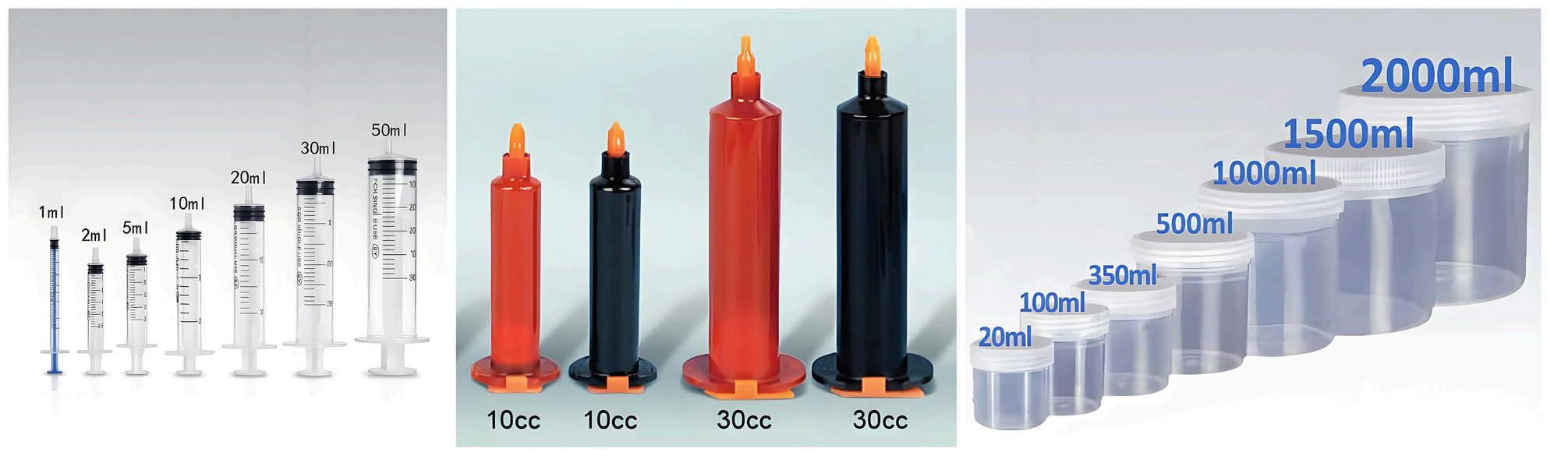
Accommodates 3cc to 55cc EFD syringes, 300ml cartridges, and custom barrels with high precision.
Direct Dispensing Readiness
Degas directly inside your dispensing syringes under vacuum. Once finished, load directly onto automated dispensing equipment with zero air entrainment.
Choose the Right Degassing System for Your Production Scale
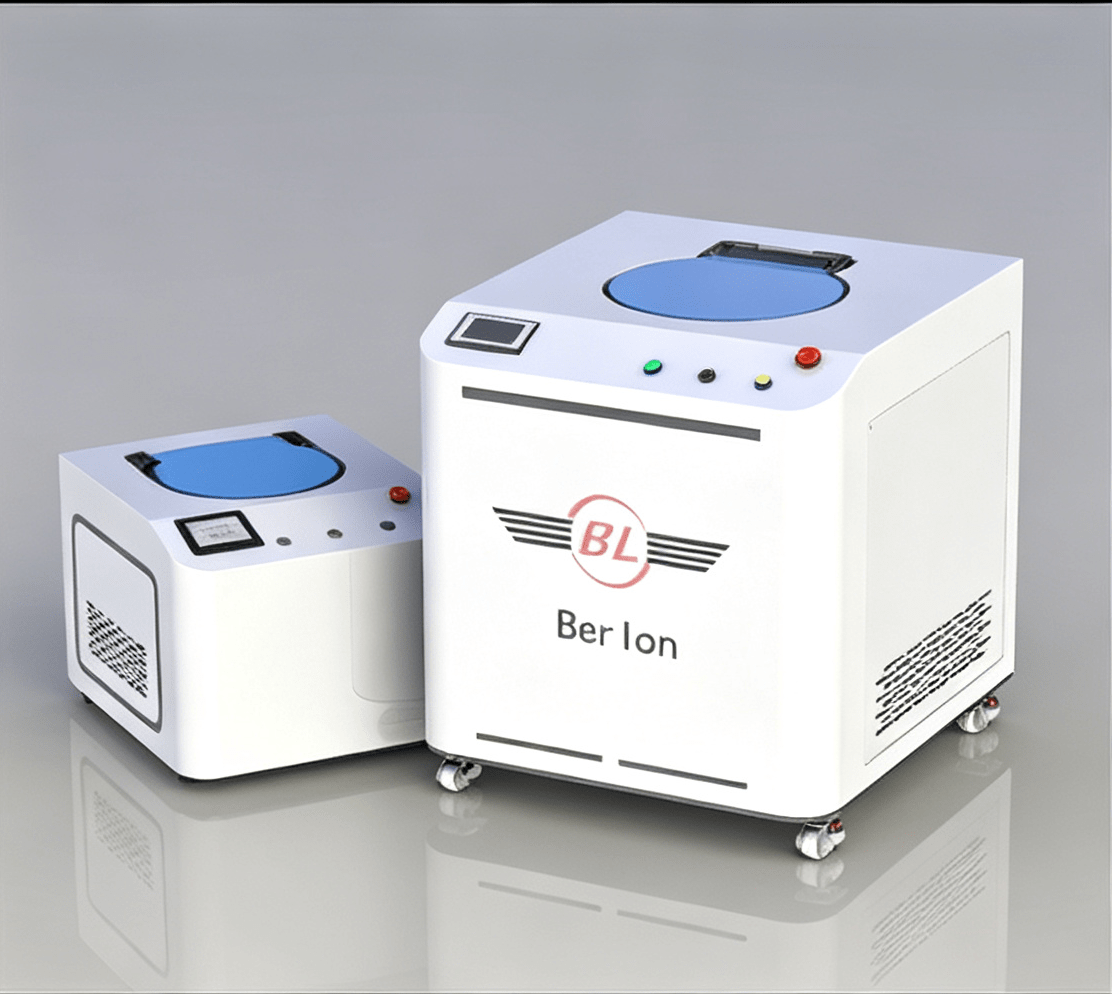
Planetary Centrifugal Vacuum Mixers (Lab to Mid-Batch)
Ideal For: R&D laboratories, high-value electronics, multi-cup/syringe processing with zero cleanup.
Key Feature: Independent speed adjustment, multi-step programmable vacuum cycles, custom container adapters.
Dual Planetary Vacuum Mixers (Industrial Mass Production)
Ideal For: Heavy-duty industrial production of silicone sealants, battery slurries, and structural adhesives.
Key Feature: Fully sealed vacuum vessel, heavy-duty wall/bottom scrapers, integrated high-speed dispersers.
Unsure Which Vacuum Level or Adapter Fits Your Process?
Send us your material viscosity and container specs, or request a free lab test run at our Shenzhen facility to see the bubble-free results firsthand.
Need ultra-high viscosity paste handling? View our High-Viscosity Mixing Solutions →
Browsing by material? Explore our Applications → guides for Epoxy, Silicone, and Conductive Pastes.
Frequently Asked Questions About Vacuum Degassing
Our built-in high-vacuum system achieves ultimate vacuum levels down to sub-atmospheric pressure (-0.098 MPa / -98 kPa or higher), ensuring sub-micron level gas removal.
Yes. For hazardous formulations containing volatile solvents (e.g., NMP, acetone, ethanol), we offer custom Explosion-Proof (C1D1 / Zone 1) configurations with positive pressure purging systems.
While traditional static ovens take up to 2 hours, our planetary centrifugal vacuum technology achieves complete mixing and micro-degassing in just 2 to 5 minutes.
Absolutely. We offer free material trial runs at our application facility. Send us your raw materials, and we will return the degassed samples along with a comprehensive process report.