Why High-Viscosity Materials Are Difficult to Process

As material viscosity increases, conventional stirring methods hit a performance wall. Standard agitators fail to deliver uniform results and often introduce defects into high-value formulations.
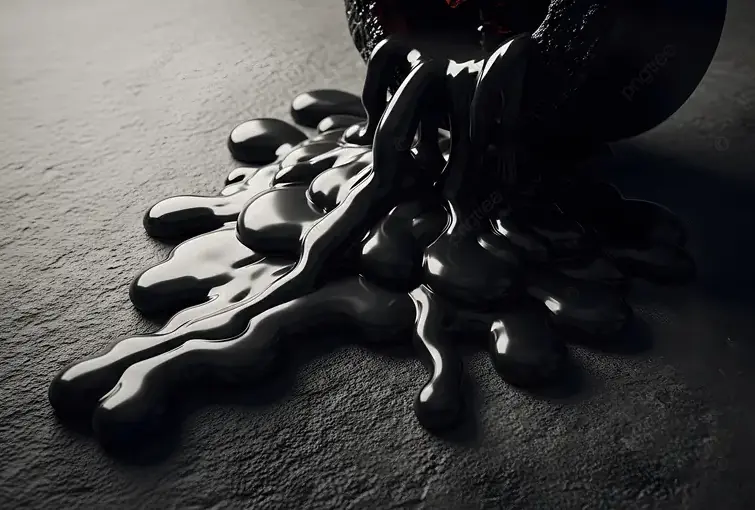
High Resistance to Flow

Heavy pastes resist fluid movement, preventing traditional impellers from generating adequate bulk circulation throughout the vessel.
High Resistance to Flow
Dead Zones & Incomplete Dispersion

Highly viscous or thixotropic media tend to stagnate along vessel walls and corners, leaving unmixed pockets and agglomerated fillers.
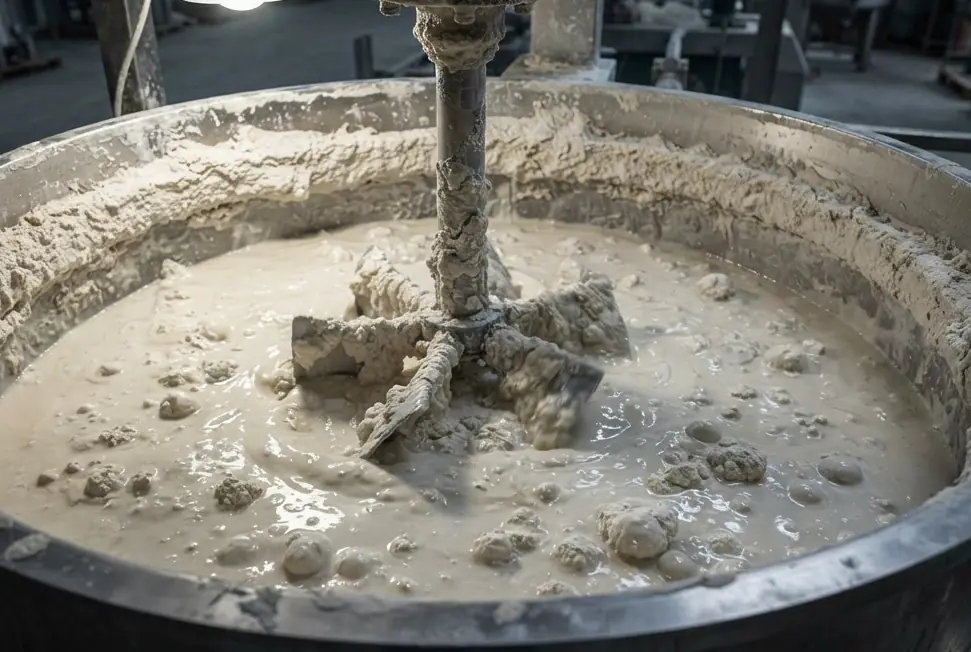
Dead Zones & Incomplete Dispersion
Wall Adhesion & Poor Heat Transfer

Viscous formulations stick to container walls, causing intense local shear heating that can prematurely cure heat-sensitive resins or degrade polymers.
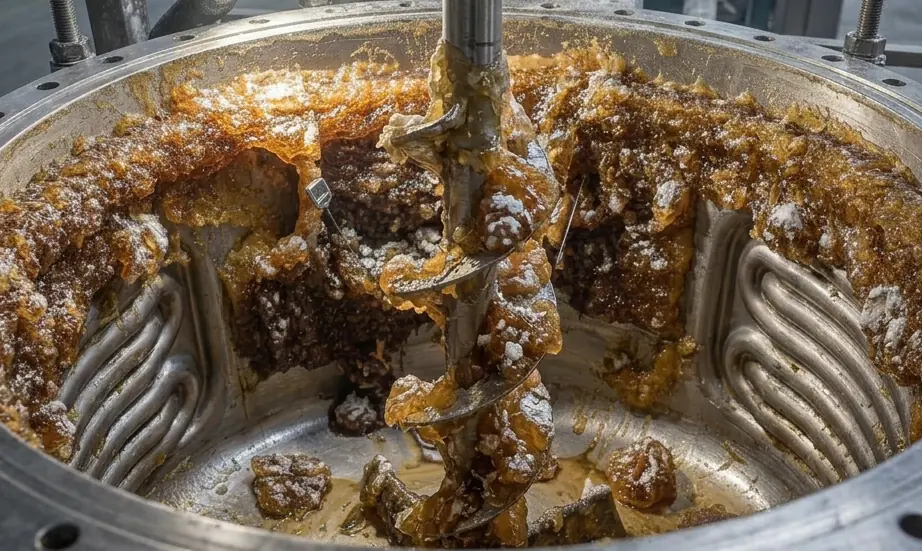
Wall Adhesion & Poor Heat Transfer
Entrapped Micro-Bubbles & Voids

Air incorporated during charging or mixing cannot naturally escape viscous fluids, leading to structural weakness, dielectric breakdown, or surface pitting.
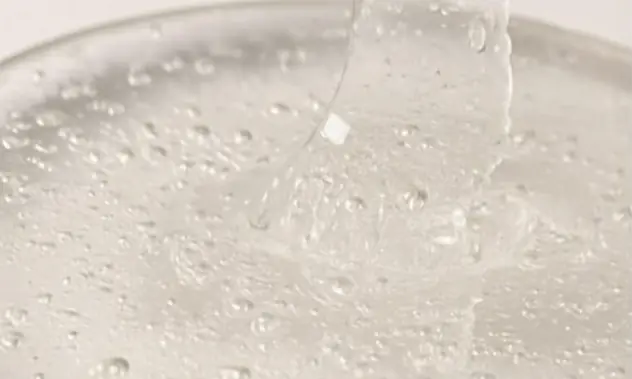
Entrapped Micro-Bubbles & Voids

Choosing the Right Mixing Technology for High-Viscosity Formulations

Selecting between non-contact planetary centrifugal technology and heavy-duty double planetary mixers depends on your production scale, dispersion intensity, and cleaning requirements.

 
Processing Parameter Planetary Centrifugal Mixer Double Planetary Mixer
Typical Scale R&D, Lab & Small-Batch Production Pilot Plant & Large-Scale Manufacturing
Mixing Mechanism Non-Contact Revolving & Rotating (Centrifugal) Dual Planetary Agitators + High-Speed Disperser
Viscosity Range Up to 1,000,000+ cP Up to 3,000,000+ cP
Vacuum Capability Built-in High Vacuum Chamber Fully Sealed Vacuum Tank Configuration
Wall Scraping Not Needed (Container-based Non-Contact) Precision Wall & Bottom Scrapers Included
Cleaning Requirement Zero Cleaning (Mixes directly in cups/syringes) Mechanical Vessel Cleaning / CIP System
Batch Capacity 300 ml to 20 Liters 10 Liters to 1,000+ Liters

Planetary Centrifugal Mixing: Speed, Precision & Zero Contamination
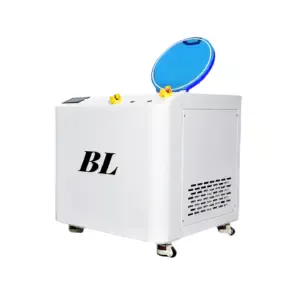
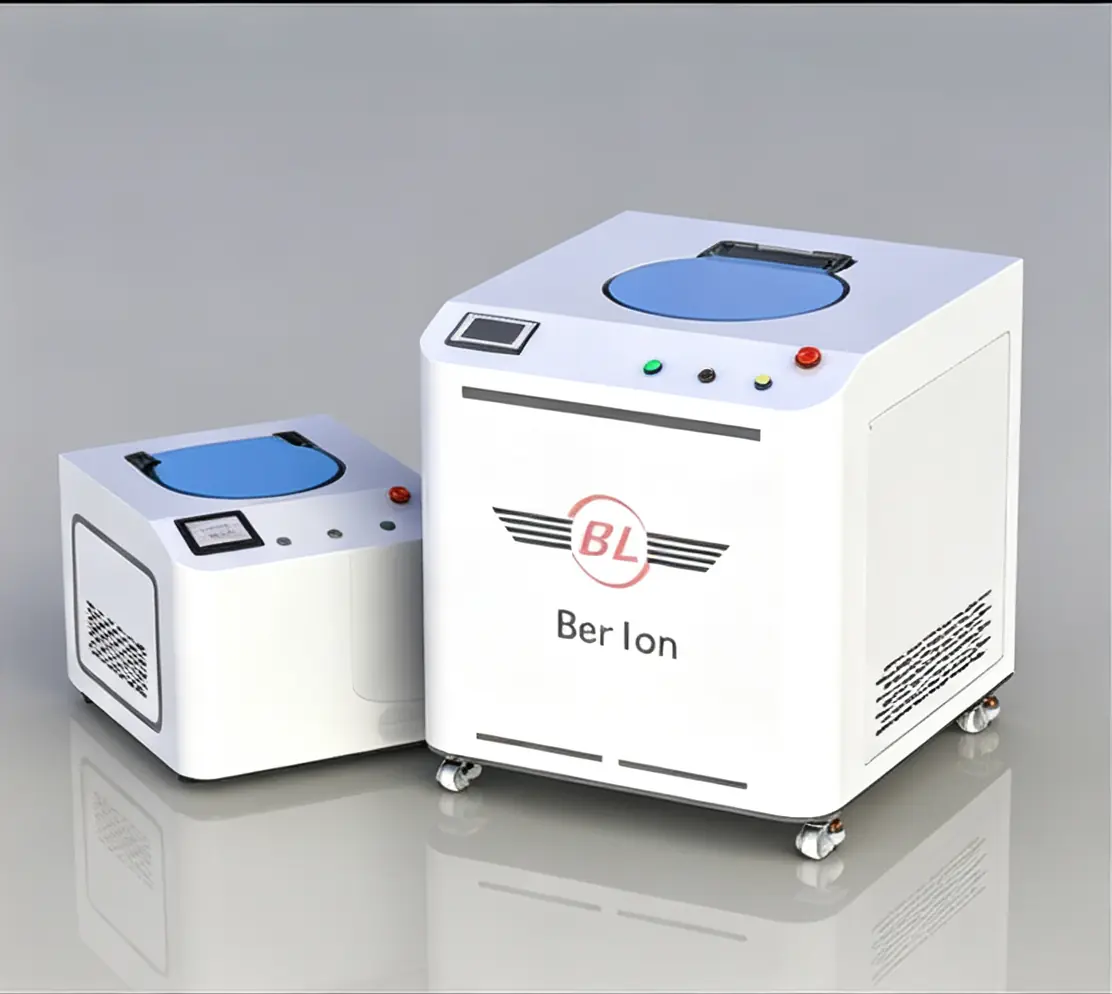
Utilizing simultaneous revolution and rotation forces, our planetary centrifugal vacuum mixers generate powerful g-force acceleration to shear, disperse, and degas high-viscosity materials in a single step—without any blades contacting the mixture.

Berlon 2L vacuum planetary degassing mixer

Key Benefits:

Zero Cross-Contamination Mix directly in disposable cups, syringes, or custom adapters with zero blade cleanup.
Rapid Micro-Bubble Elimination High g-force drives heavy liquids outward while pulling microscopic air pockets to the surface where vacuum pulls them out.
Preserved Material Integrity Ideal for high-cost conductive pastes, optical silicones, and short pot-life epoxies.

Common Applications:

Conductive Silver Pastes & CNT Slurries Dental Composites & Pharmaceutical Gels Optical LOCA Adhesives & Encapsulants

Double Planetary Mixing: Heavy-Duty Industrial Production
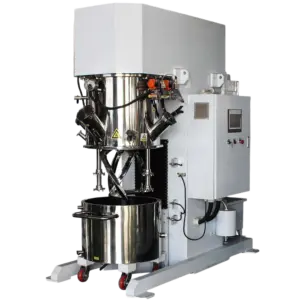
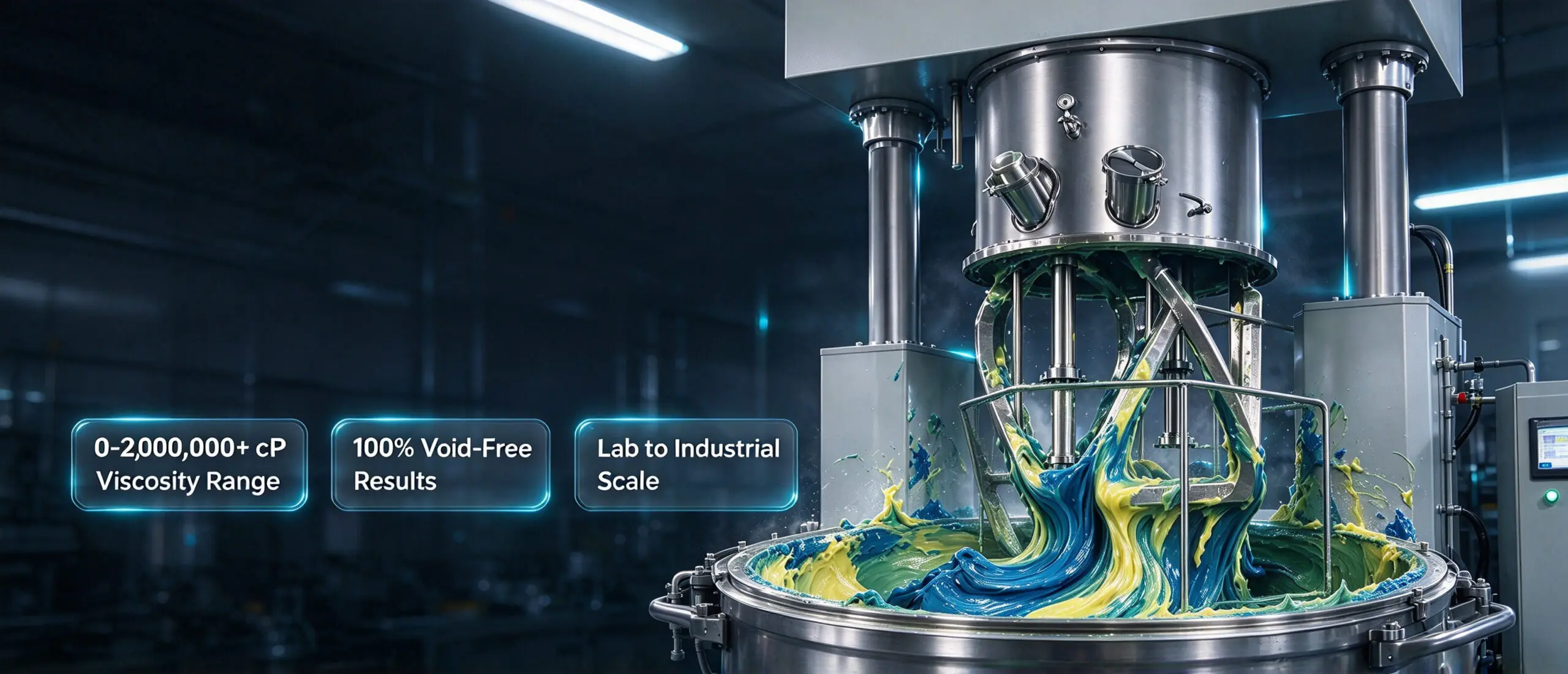
Designed for large-scale industrial compounding, our double planetary mixers feature two heavy-duty blades revolving around a central axis while rotating on their own axes. Combined with high-speed disperser shafts and wall scrapers, they handle mass production of the toughest compounds.

Double Planetary Mixer for High Viscosity Materials

Key Capabilities:

360° Vessel Coverage Heavy-duty scrapers continuously sweep the tank walls and bottom, eliminating dead zones and ensuring maximum heat transfer.
High-Shear Dispersion Integrated high-speed disperser blades efficiently break down tough pigment agglomerates and solid fillers.
Precision Thermal Control Jacketed mixing vessels allow exact temperature management to prevent thermal degradation during high-shear cycles.

Common Applications:

RTV Silicone Sealants & Structural PU Adhesives Lithium-ion Battery Cathode/Anode Pastes Heavy Industrial Dental & Ceramic Pastes

High-Viscosity Processing Under Vacuum
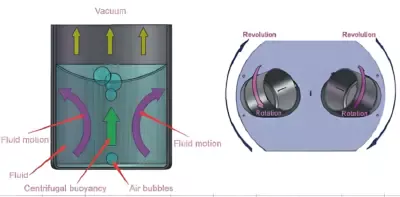
Vacuum is not just an optional add-on—it is essential for void-free high-viscosity formulation. Mixing under deep vacuum prevents air entrainment from the start and forces entrapped micro-bubbles to expand, rise, and rupture rapidly.

Planetary vacuum mixer mechanism for high-density metal powder dispersion

Why Integrated Vacuum Matters:

Prevents Dielectric Failure Eliminates air voids in potting resins that cause partial discharge and voltage breakdown.
Maximizes Mechanical Strength Ensures structural adhesives reach 100% surface contact and maximum shear bond strength.
Enhances Surface Finish Prevents pinholes, cratering, and optical haze in coatings and casting resins.

How to Select the Right High-Viscosity Mixer

Follow this step-by-step decision matrix to specify the ideal configuration for your processing requirements.

STEP 01

Define Batch Volume

Are you running lab trials (mL–L) or industrial production (10L–1000L+)?

STEP 02

Assess Material Viscosity & Rheology

Does your material exhibit shear-thinning or severe thixotropic behavior?

STEP 03

Evaluate Filler Content

Are you dispersing high-percentage solid powders into liquid binders?

STEP 04

Determine Vacuum & Bubble Tolerance

Is your product sensitive to microscopic air voids?

STEP 05

Review Thermal & Pot-Life Limits

Does the formulation require jacketed cooling or ultra-fast mixing due to short pot-life?